
Add MobiGyaan as a preferred source on Googlevivo India just launched the vivo V80, and it’s their latest V-Series smartphone, bringing a combination of ZEISS-powered cameras, a 144 Hz high-refresh-rate OLED display, a large 7,200 mAh battery with 90W fast charging, and a 7.69mm slim glass design. The vivo V80 is positioned as a camera-focused device, with a triple rear camera setup that includes a 50 MP ZEISS OIS main camera, a 50 MP ZEISS Night Telephoto camera with 3x optical zoom, and an 8 MP ZEISS ultra-wide camera. There is also a 50 MP ZEISS autofocus selfie camera on the front, bringing a total of three 50 MP cameras on the device.
vivo V80
₹62,999ⓘ
As an Amazon Associate, MobiGyaan earns from qualifying purchases.
vivo has also introduced several AI-powered creative and productivity features, including AI Creative Camera, Live Sticker Collage, AI Diwali Portrait 2.0, Pet Pals, Snap Notes, and Security Shield. Beyond the cameras, the V80 packs a 6.59-inch 1.5K OLED display with a 144 Hz refresh rate, a fast Qualcomm Snapdragon 7 Gen 4 SoC, up to 16 GB Extended RAM, and runs the new Android 17 with OriginOS 7, making it one of the first vivo V-Series phones in India to ship with the company’s newer software experience.
I’ve been using the vivo V80 to see how well all of this translates into everyday use, particularly its cameras, display, performance, battery life, charging, and overall experience. After spending time with the phone, here’s how the vivo V80 performs beyond its specifications. Take a look at our vivo V80 review.
vivo V80: In-Box Contents
Inside the box, vivo includes the essentials:
- vivo V80 Handset
- 90W FlashCharge Adapter
- USB Type-C Cable
- Protective Case (Included)
- Pre-Applied Screen Protector
- SIM Eject Tool
- Quick Start Guide
- Warranty Card
vivo V80 Specifications & Features
- Design, Display, & Durability: 6.59-inch OLED display, 1.5K resolution (2,750 x 1,260 pixels), up to 144 Hz refresh rate, 1.07 billion colors, up to 5,000 nits local peak brightness, 1 nit ultra-low brightness, IP68 and IP69 ratings, 7.69 mm thickness, 203 grams weight
- Software & Updates: Android 17 with OriginOS 7, up to 6 years of extended security updates
- CPU: 4nm Qualcomm Snapdragon 7 Gen 4 octa-core SoC clocked at up to 2.8 GHz
- GPU: Adreno 722 GPU
- Memory: 8 GB LPDDR4X RAM, up to 16 GB Extended RAM
- Storage: 128 GB OR 256 GB OR 512 GB UFS 3.1 internal storage
- Rear Camera: 50 MP ZEISS OIS main camera with Sony LYTIA 700V sensor + 50 MP ZEISS Night Telephoto camera with Sony IMX882 sensor and OIS + 8 MP ZEISS ultra-wide-angle camera
- Front Camera: 50 MP ZEISS Group Selfie camera with autofocus and 92° wide-angle field of view
- Camera Features: 3x optical zoom, up to 100x zoom, up to 10x zoom-in portrait mode, ZEISS 23 mm, 35 mm, 50 mm, 85 mm, and 100 mm multifocal portrait modes, ZEISS bokeh simulations, 4K Cinematic Video, 4K 60 fps video, AI Creative Camera with 30+ visual styles, AI Retouch, Live Sticker Collage, and AI Diwali Portrait 2.0
- Audio, Connectivity, & Others: USB Type-C, Bluetooth 5.4, Wi-Fi, NFC, dual stereo speakers, 3D ultrasonic fingerprint sensor
- Sensors: Accelerometer, ambient light sensor, proximity sensor, e-compass, gyroscope, flicker sensor, and infrared blaster
- Cellular: 5G (SA/NSA), Dual SIM, VoLTE support
- Battery & Charging: 7,200 mAh typical battery, 90W FlashCharge
- Colors: Sunrise Anthem, Horizon Blue, Stellar Black
- Dimensions: 157.52 x 74.33 x 7.69 mm
- Weight: 203 grams
- Price: ₹62,999 (8 GB RAM + 128 GB Storage), ₹69,999 (8 GB RAM + 256 GB Storage), ₹79,999 (8 GB RAM + 512 GB Storage)
- Availability: 6th October 2026 (pre-order), 13th October 2026 (sale) on vivo.com/in, Amazon.in, Flipkart.com, and authorized offline retail stores
- Offers: [Mainline Offers]: Easy EMI starting at ₹2,625/month, pay ₹101 to own a vivo smartphone, flat 10% instant cashback through selected banks/UPI, or up to 10% V-Upgrade exchange bonus; [Additional Mainline Offers]; Up to 40% off on V-Shield, with screen damage protection and extended warranty plans starting at ₹1,134, plus Google One 1,000 GB cloud storage for 6 months; [Online Offers]: Easy EMI starting at ₹2,625/month, 10% instant discount on selected banks, 10% exchange bonus, 1-year free extended warranty, and Google One 100 GB cloud storage for 6 months; [JioHotstar Offer]: Buyers will also be eligible for 50% off on selected annual JioHotstar plans, including the Mobile Plan at ₹249.50 and Super Plan at ₹549.50, subject to applicable offer terms.
- Buy Link: Get vivo V80 on vivo.com/in
Design, Display & Build Quality
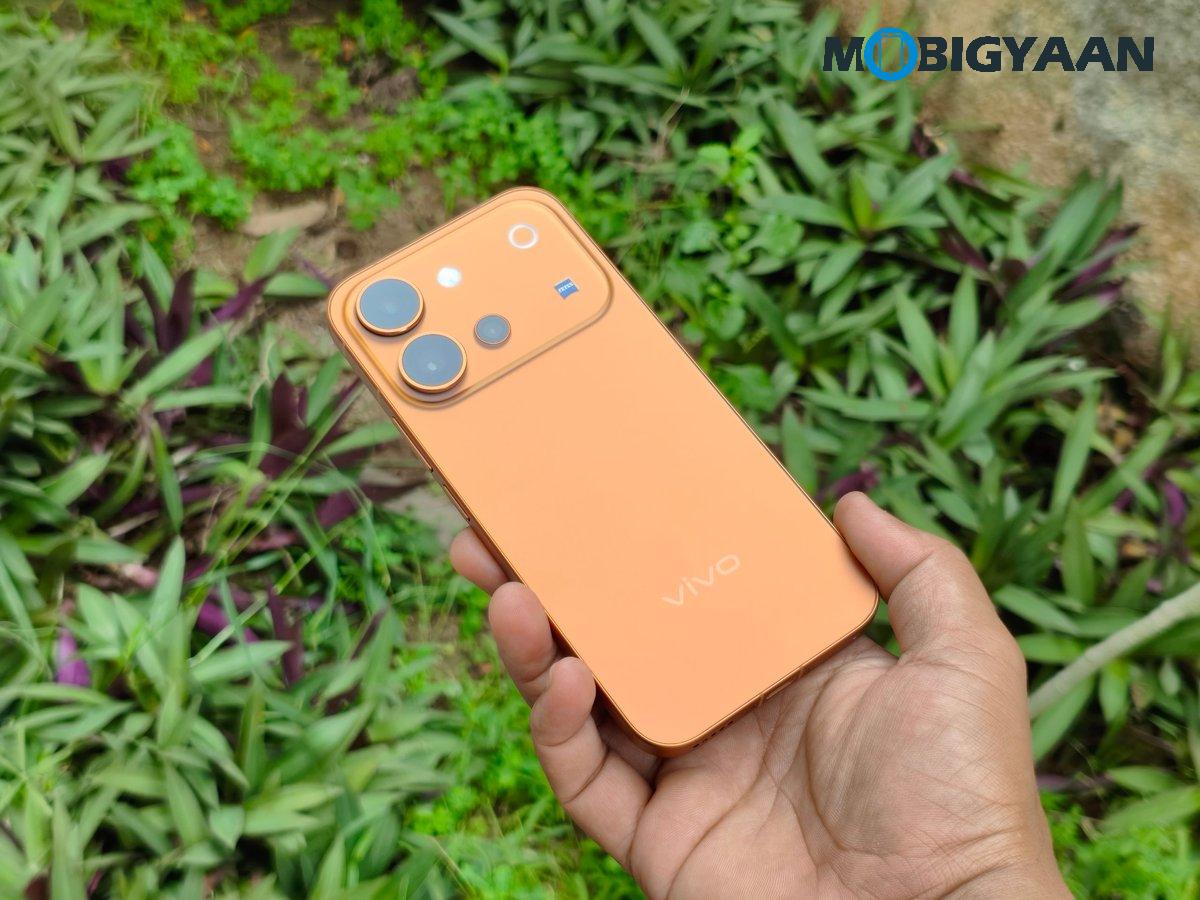
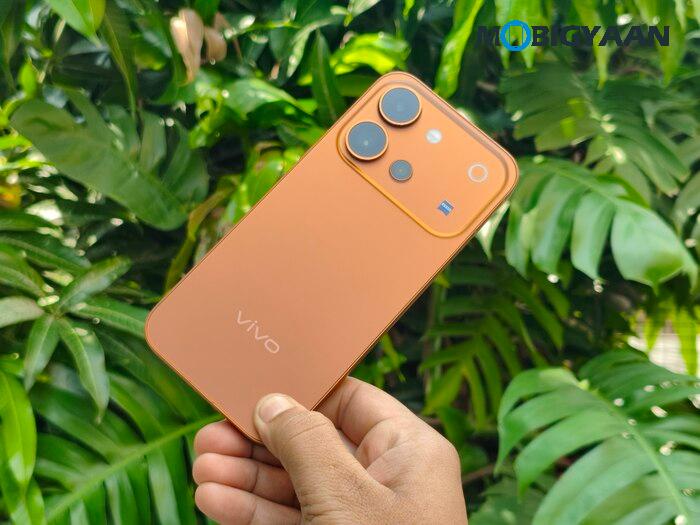
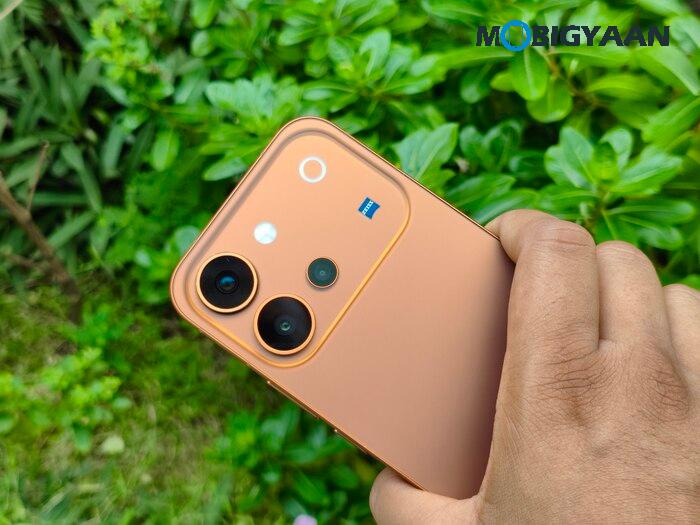
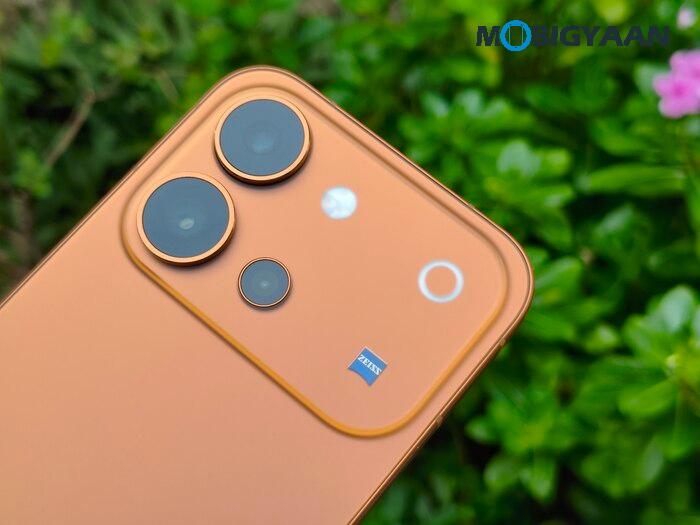
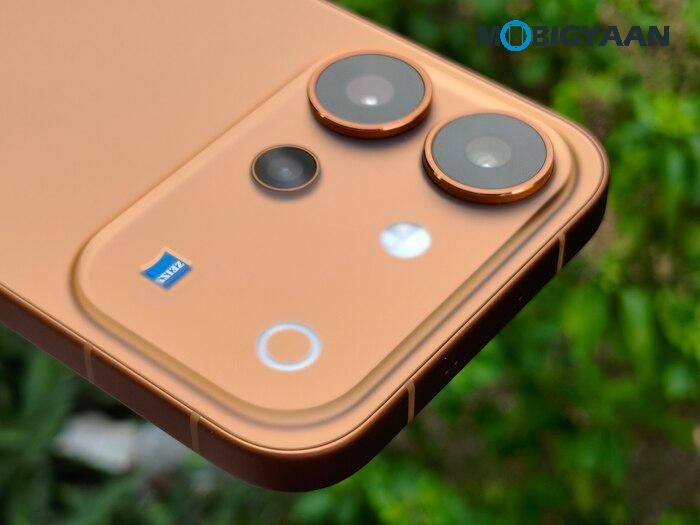
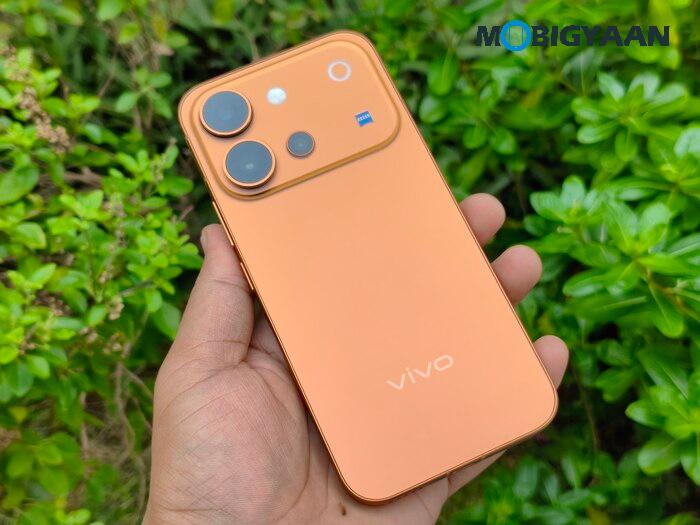
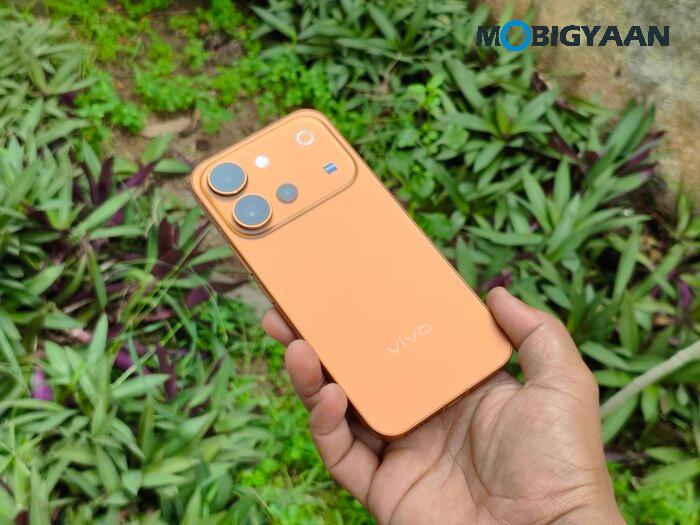
Starting off with its design, the vivo V80 takes a more refined approach with its one-piece cold-carved glass construction, giving the phone a premium look and feel in the hand. The rear panel has a clean finish, while the redesigned floating camera module gives the phone a distinctive identity without making the overall design look overly busy. vivo describes the design language as “Cinematic in Motion. Iconic in Portrait”, and the camera module is certainly the first thing that catches your attention when you look at the rear.
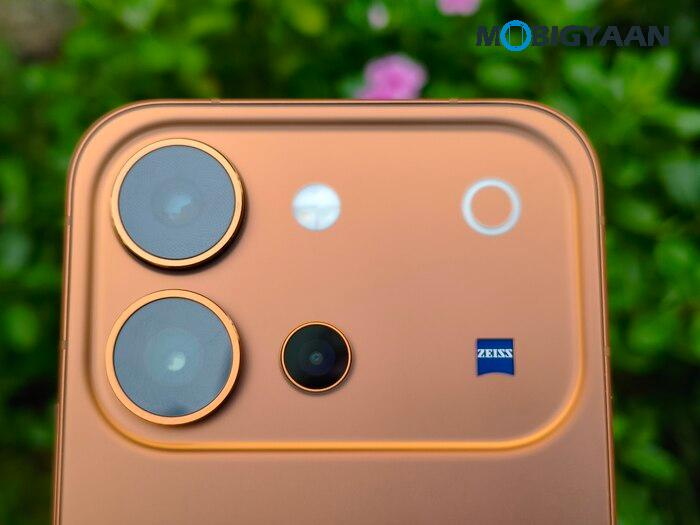
The floating-style camera module is different from the more common rectangular camera islands found on most smartphones. It sits prominently on the upper-left portion of the rear panel and integrates the triple-camera setup into the overall design. Despite the size of the camera hardware, the module doesn’t make the phone feel visually unbalanced, and the one-piece glass construction adds to the premium appearance.
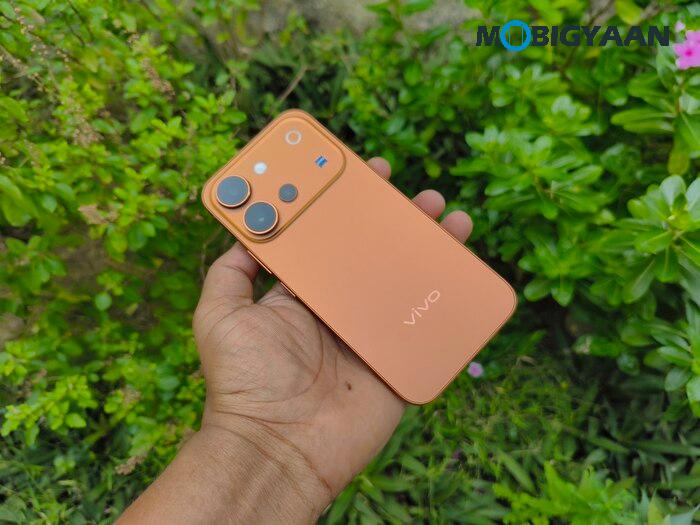
The vivo V80 is available in three color options: Sunrise Anthem, Horizon Blue, and Stellar Black. The Sunrise Anthem variant we have here is the more attention-grabbing option, with a finish inspired by the warmth of first light. Horizon Blue takes a deeper and more understated approach, while Stellar Black is aimed at those who prefer a more classic and subtle appearance.
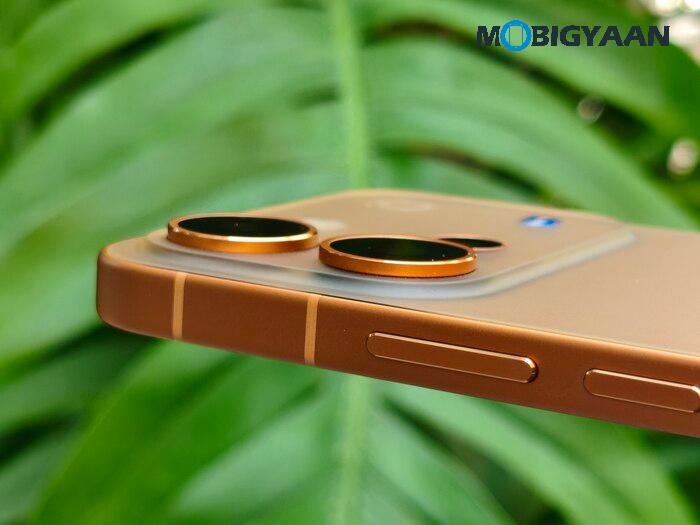
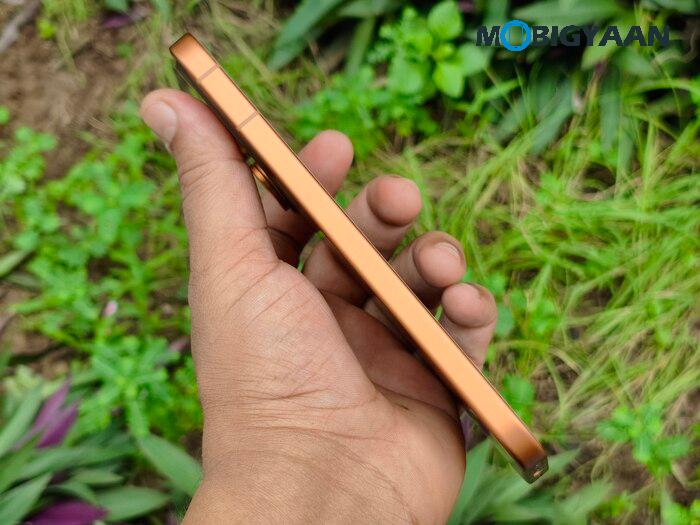
At 7.69 mm thick and weighing 203 grams, the V80 is also relatively slim considering the large battery it packs. The phone feels fairly light in the hand despite packing a 7,200 mAh battery, and the curved edges of the rear panel help it sit comfortably in the palm during regular use. The combination of the slim profile and rounded edges makes a noticeable difference when holding the phone for longer periods. For durability, V80 has IP68 and IP69 ratings, providing protection against dust and water exposure.
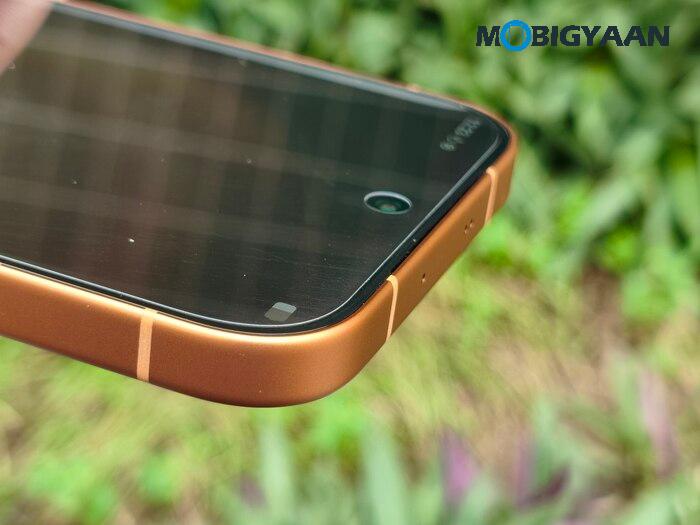
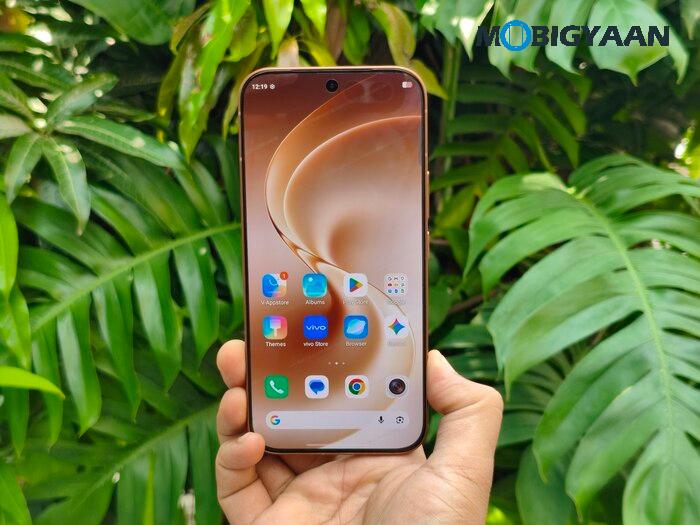
Coming to the front, the V80 features a 6.59-inch OLED display with a 1.5K resolution (2,750 x 1,260 pixels). The panel supports a smooth 144 Hz refresh rate, making scrolling, animations, and general navigation feel noticeably smoother. The display also supports 1.07 billion colors, and the overall panel produces the deep blacks and strong contrast you’d expect from an OLED screen.
One of the standout specifications here is high 5,000 nits peak brightness, and it gives the panel plenty of headroom for HDR content and bright highlights. At the other end of the range, the display can go down to just 1 nit, which makes the screen considerably more comfortable in dark environments. vivo has also focused on eye comfort with the display. The V80 can automatically dim down to 1 nit in dark surroundings, while its Paper-Like Display feature is designed to make reading more comfortable. The bezels are also quite slim, measuring just 1.25 mm, giving the front a high screen-to-body appearance without requiring an unnecessarily large phone.
The physical layout is practical and familiar. The power button and volume rocker are positioned on the right side. The bottom section houses the USB Type-C port, along with the primary speaker, microphone, and SIM tray. The top section houses the secondary speaker and another microphone, completing the stereo speaker setup. The dual stereo speakers add to the multimedia experience, particularly when watching videos or playing games without headphones. Biometric authentication is handled by a 3D ultrasonic fingerprint sensor, which is positioned under the display.
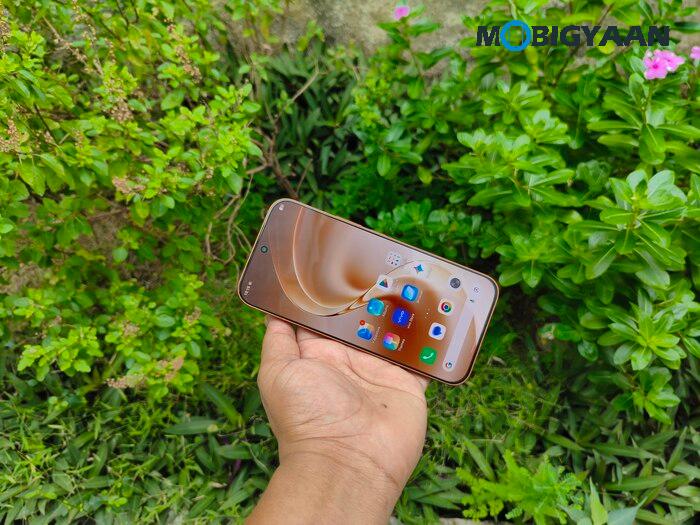
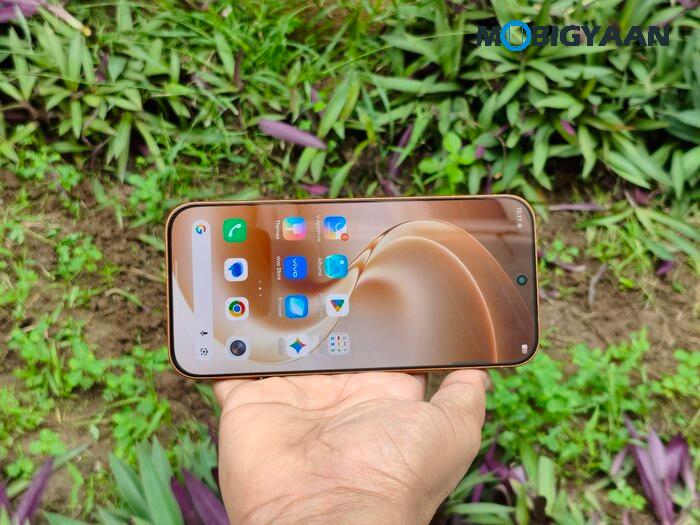
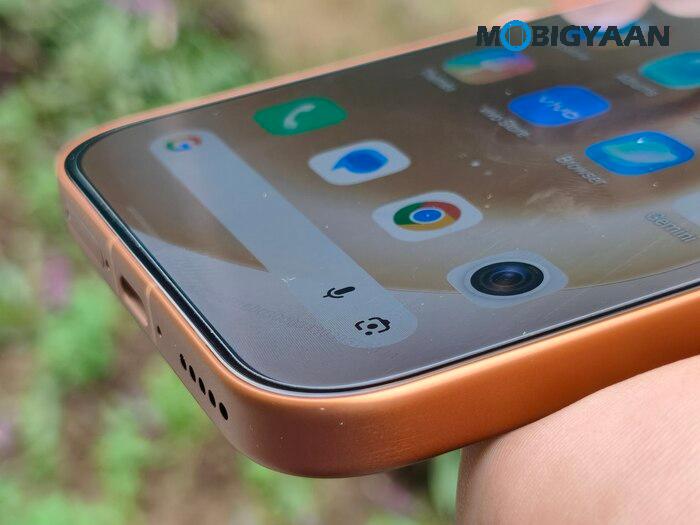
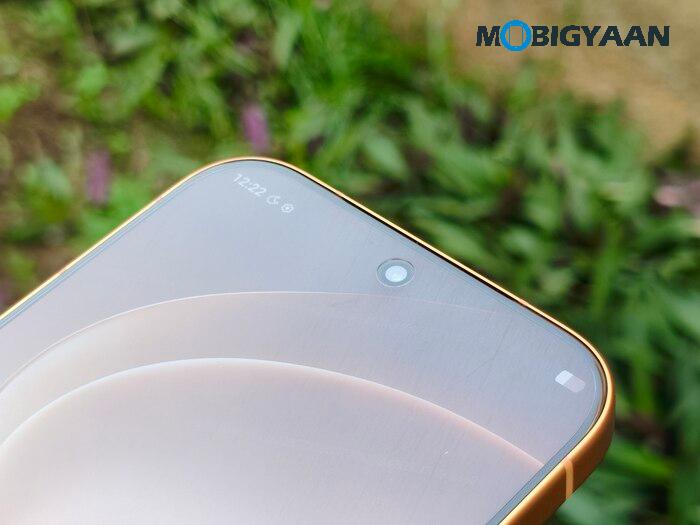
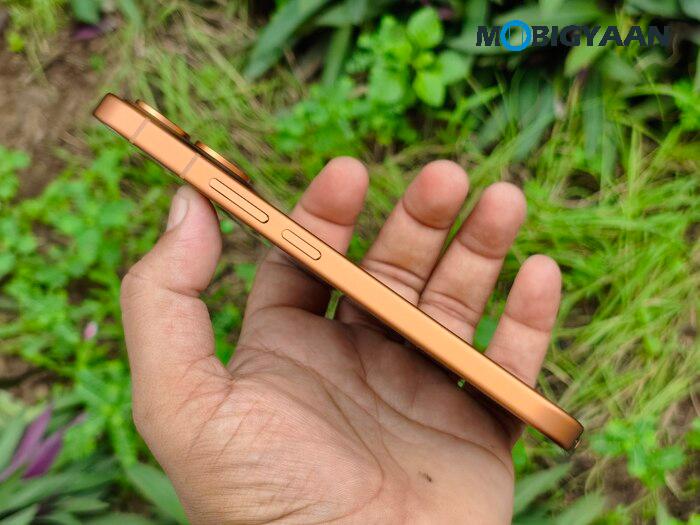
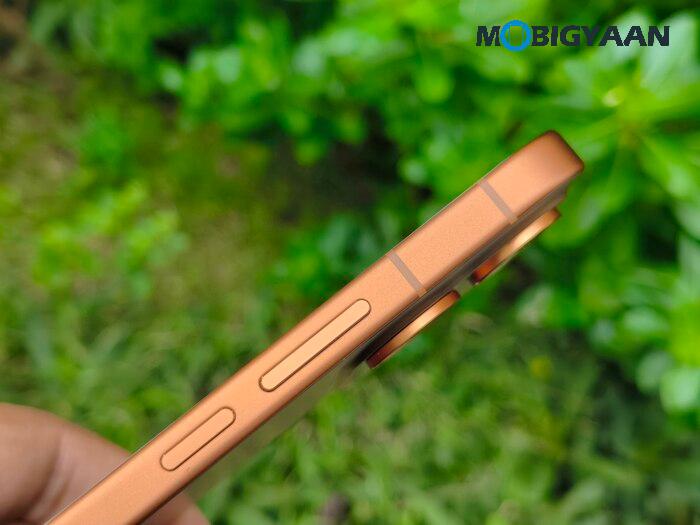
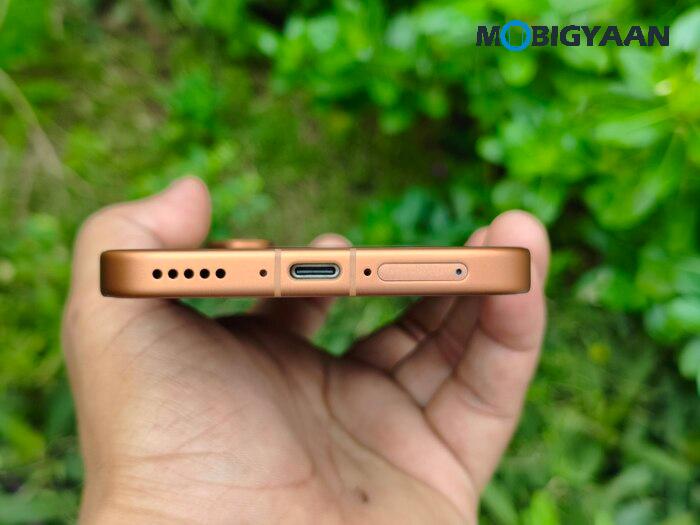
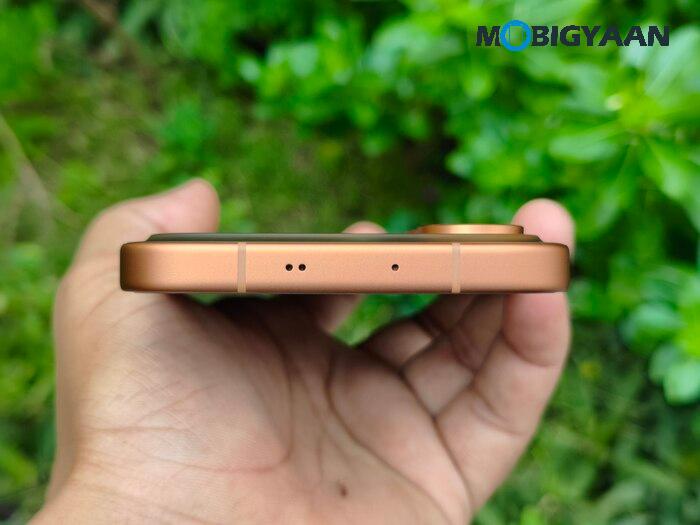
Overall, the vivo V80’s design feels like a combination of premium materials, a distinctive camera identity, a slim profile, and practical durability. The 144 Hz OLED display is another major highlight, and the combination of the high refresh rate, high peak brightness, low 1-nit brightness, and stereo speakers makes the phone well suited to both everyday use and multimedia consumption.
Software, User Interface, & Features
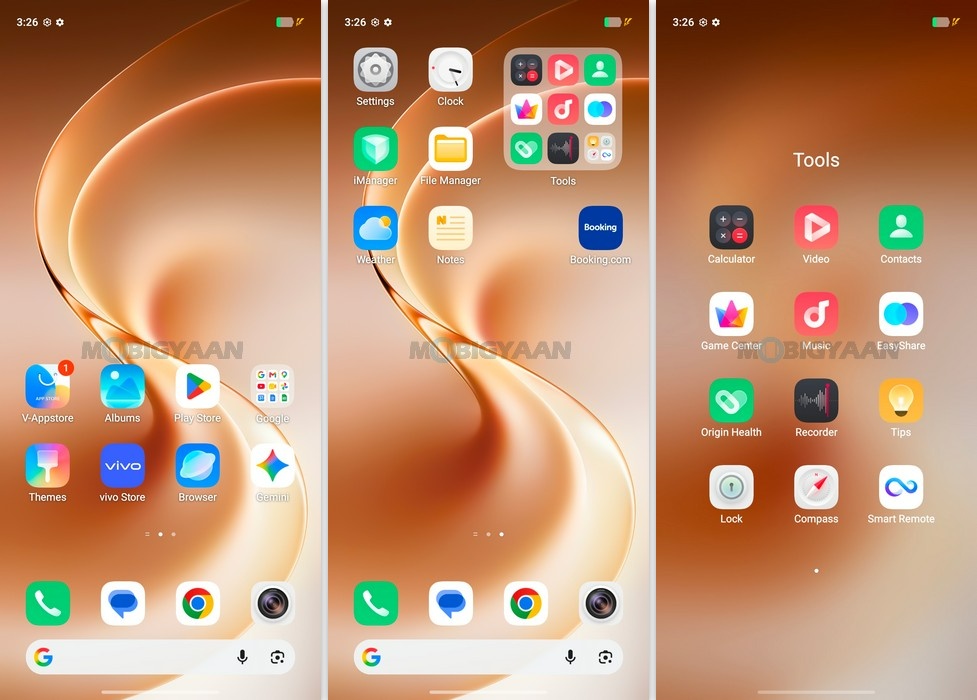
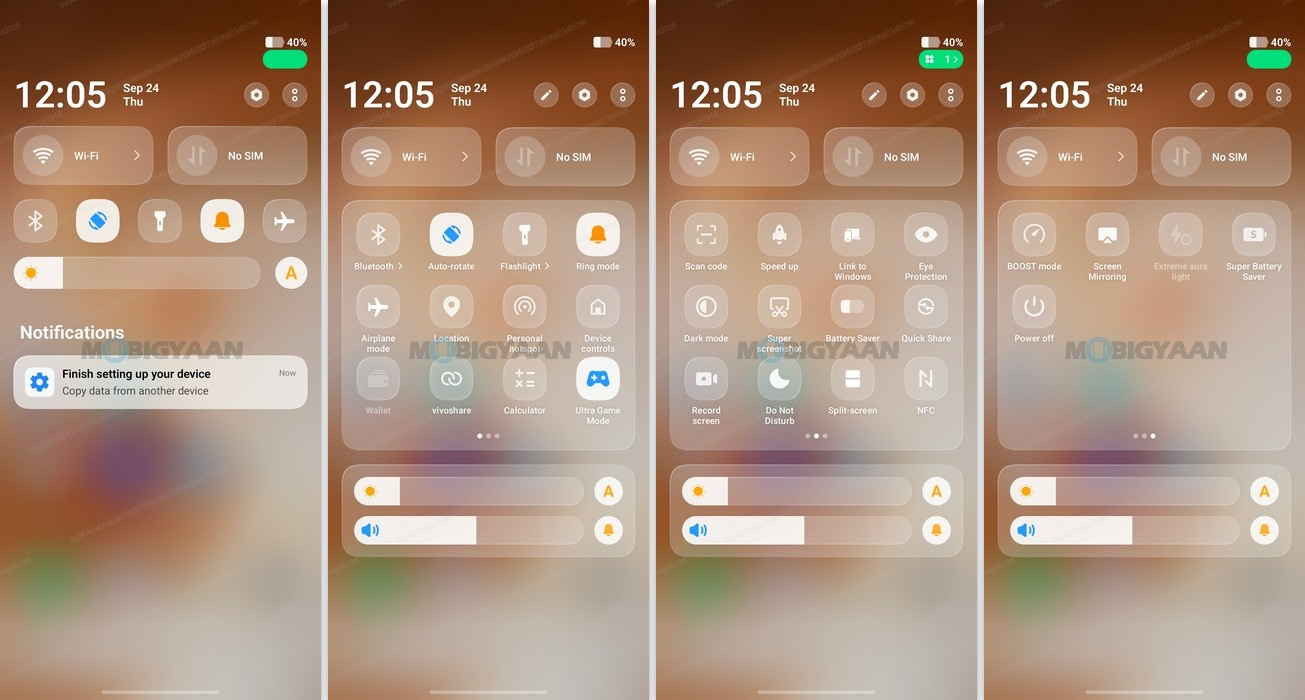
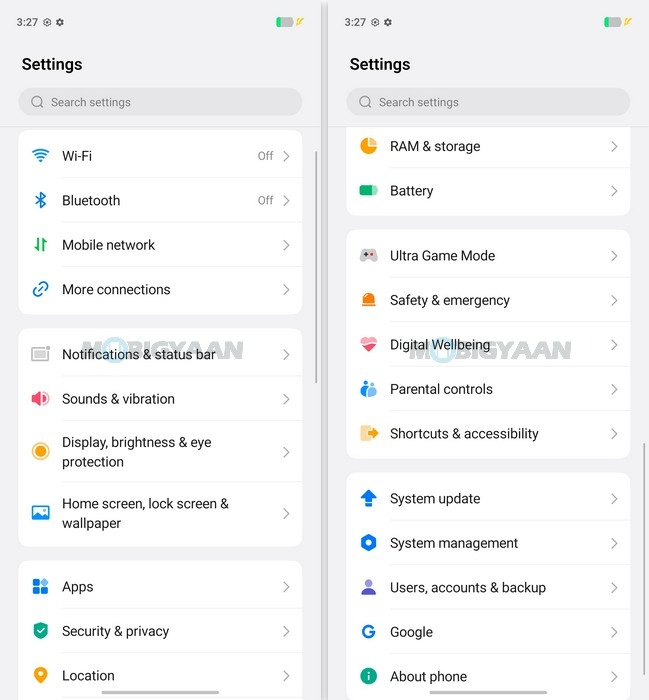
The vivo V80 is the first V-Series smartphone to ship with OriginOS 7 out of the box, bringing vivo’s latest software experience to the phone alongside Android 17. This makes the V80 one of the earliest smartphones to offer the combination of Android 17 and OriginOS 7, giving it a newer software foundation compared with the previous generation (OriginOS 6). The company has also made a strong commitment to the V80’s long-term software security, promising up to 6 years of security updates.
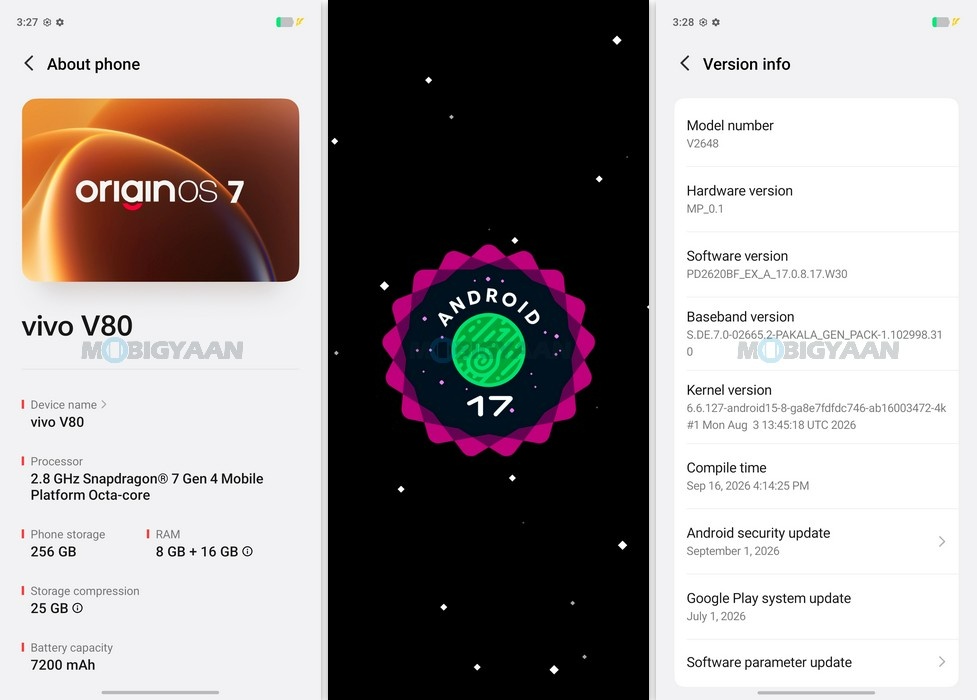
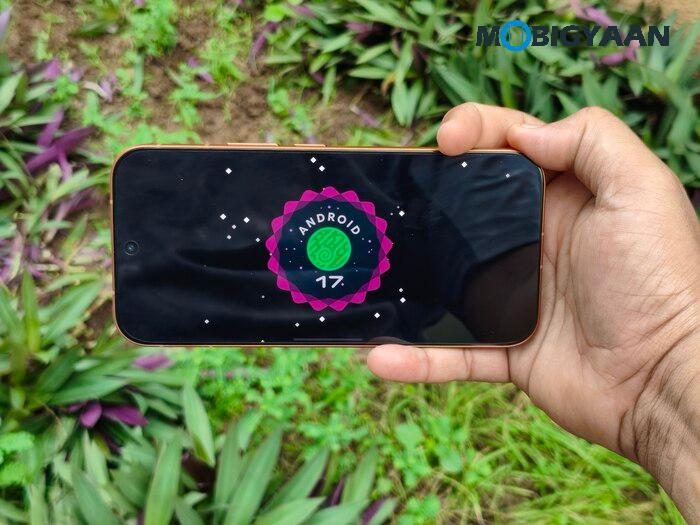
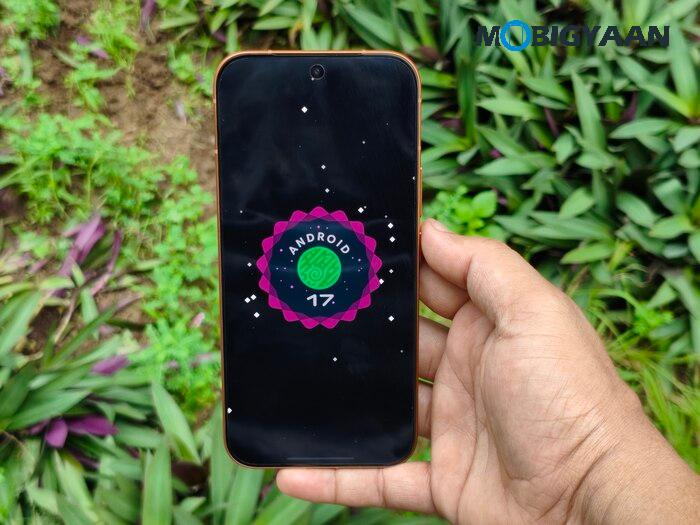
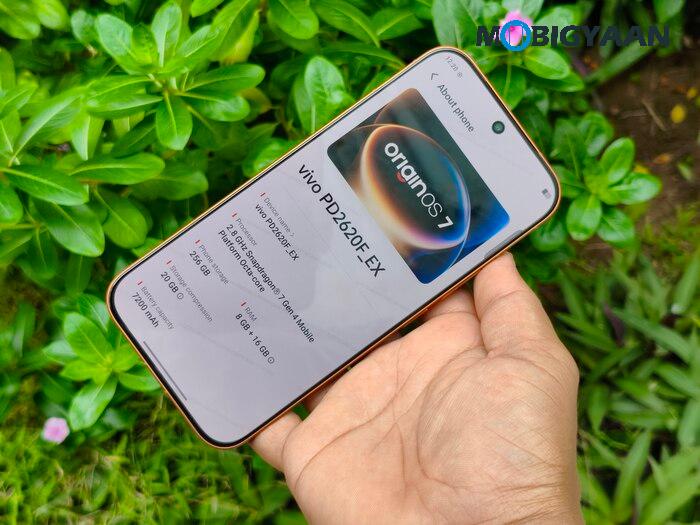
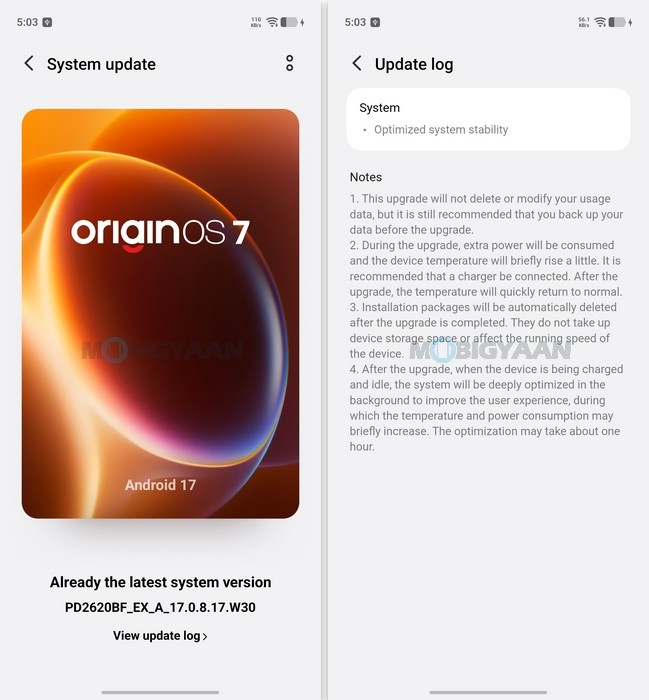
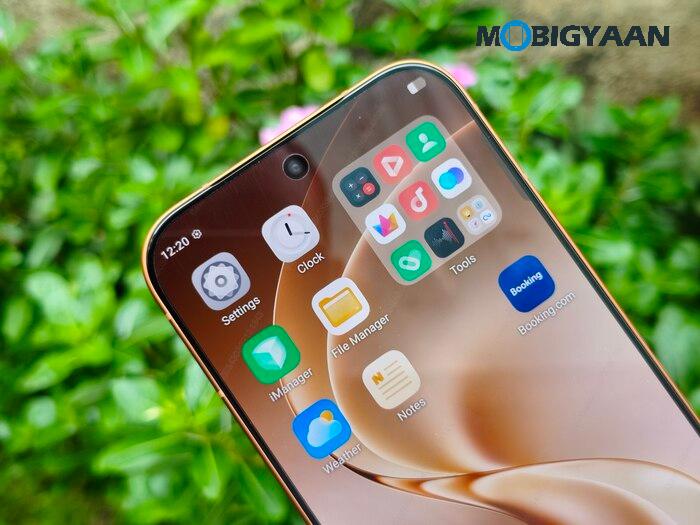
vivo has also introduced the Origin Smooth Engine with OriginOS 7 on the V80, which is designed to optimize system performance and make everyday interactions feel smoother. The software experience is complemented by a range of personalization, AI, productivity, and security features, making OriginOS 7 more than just a visual change over the previous generation.
One of the useful additions is Snap Note, which allows you to photograph content such as whiteboards or handwritten notes and use AI to convert the captured information into editable and structured notes. This can be particularly useful for meetings, classes, brainstorming sessions, or quickly digitizing handwritten information. The accuracy and processing time can vary depending on handwriting clarity, image complexity, language, and other conditions. It also includes vivo Office Kit, which is aimed at improving productivity and multi-device workflows. This can be useful if you regularly work across different devices and want to move between them more conveniently.
Personalization & New OriginOS 7 Features
OriginOS 7 brings several new ways to personalize the V80. These features collectively make the V80’s interface feel more customizable and visually dynamic.
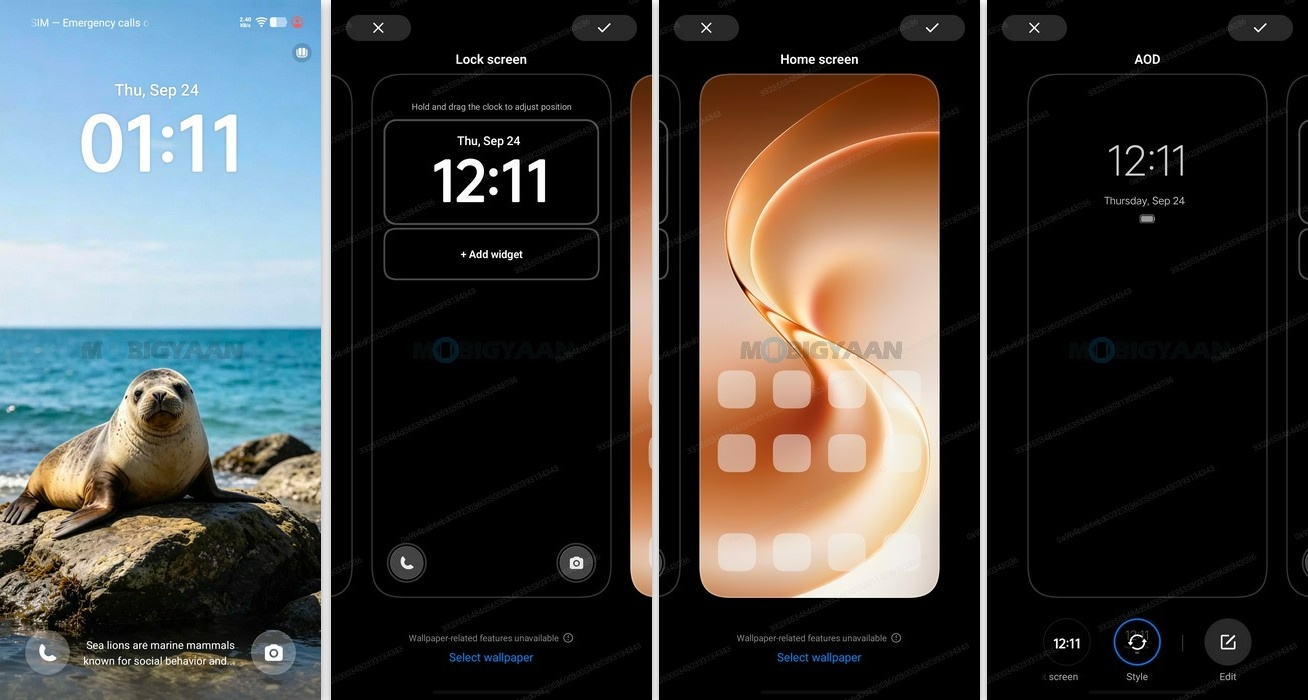
Pet Pals adds an interactive virtual pet to the wallpaper, giving the home screen a more dynamic and playful appearance rather than relying on a static wallpaper. StickIt is another interesting addition that lets you turn your photos into custom stickers for the lock screen and home screen. This makes it possible to personalize the interface using your own photos instead of relying entirely on the themes and wallpapers supplied with the phone. The Wiggle Theme adds dynamic glow and motion effects to the lock screen, giving it a more animated appearance.
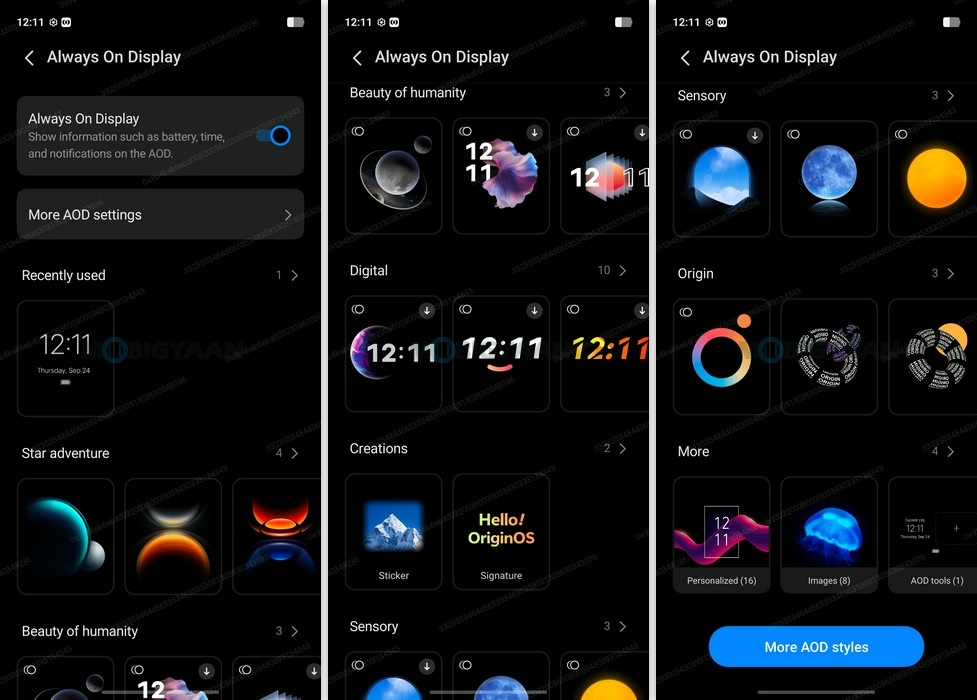
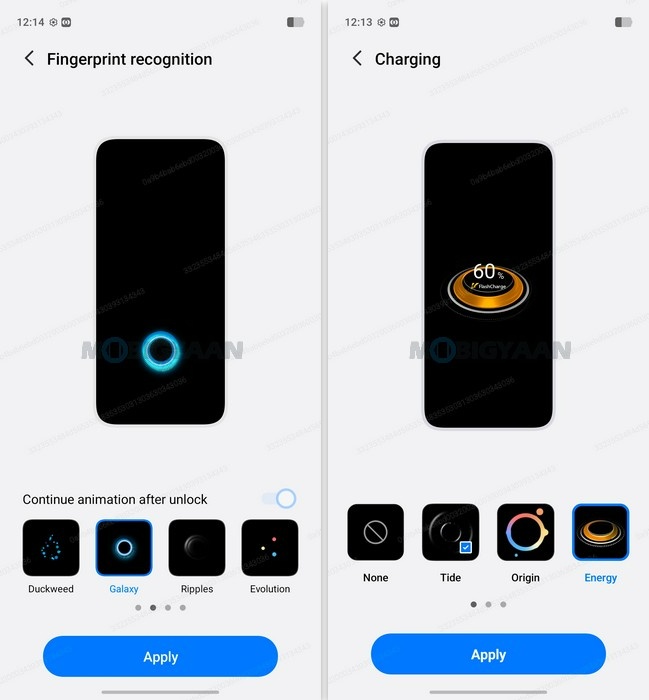
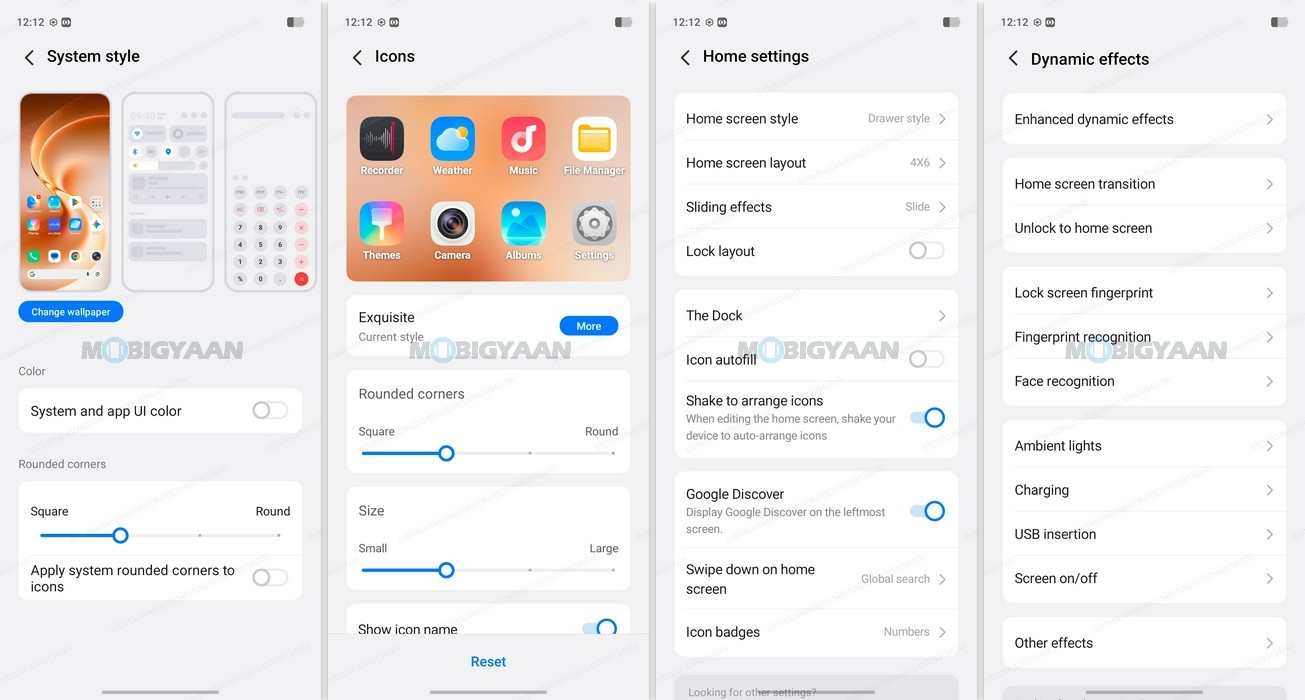
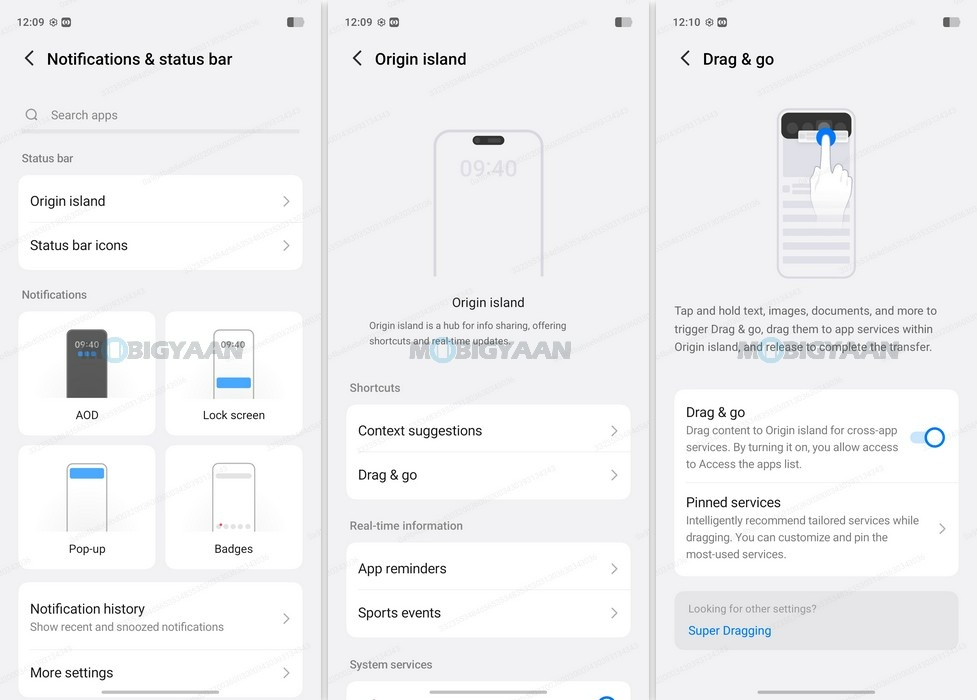
OriginOS 7 also retains the broader personalization options expected from a modern Android interface, including customization of the home screen, widgets, icons, themes, wallpapers, fonts, lock screen, animations, Always-On Display, dark mode, and other visual elements.
AI is another major focus of the V80’s software experience. Along with Snap Note, vivo has integrated AI into several aspects of the phone, particularly its camera and content-creation capabilities.
The AI Creative Camera offers more than 30 preset visual styles, allowing you to apply different creative looks to photographs without having to manually edit them. There is also AI Retouch, which can be used for tasks such as background expansion, object erasure, and repositioning, giving you more control over photographs directly on the phone.
For festive photography, the V80 also introduces AI Diwali Portrait 2.0, which adds AI-generated Diwali-themed portrait effects. This feature will be available for a limited period, starting from 10th October 2026 to 20th November 2026.
Security & Eye Protection
Security also gets attention with Security Shield, which adds security-focused tools to the software experience. Considering how much personal information is stored on a modern smartphone, including photographs, documents, payment information, and accounts, having additional security features integrated into the operating system is useful.
Another practical feature is Nighttime Eye Protection. The V80 can automatically reduce the display brightness down to 1 nit at night, which makes the phone considerably more comfortable to use in a dark environment. This is particularly useful when checking the phone in bed or in other low-light situations where a conventional display can feel excessively bright.
Overall, OriginOS 7 is one of the major upgrades on the vivo V80. For a V-Series smartphone, the V80’s software experience is much more focused on personalization, AI-assisted productivity, and long-term usability.
Hardware, Performance & Gaming
Powering the vivo V80 is the 4nm Qualcomm Snapdragon 7 Gen 4 SoC, an octa-core platform which uses a combination of Kryo Prime, Kryo Gold, and Kryo Silver cores, with the prime core reaching up to 2.8 GHz. The V80 pairs the SoC with 8 GB LPDDR4X RAM and UFS 3.1 storage, while up to 16 GB Extended RAM is available through software optimization.
The Snapdragon 7 Gen 4 is built on a 4nm process and is aimed at upper mid-range smartphones, offering a balance between performance and efficiency. With its combination of four performance cores clocked at up to 2.4 GHz, a higher-clocked prime core at 2.8 GHz, and three efficiency cores at 1.8 GHz, the V80 has enough hardware to handle demanding everyday workloads as well as gaming.
Qualcomm Snapdragon 7 Gen 4 Performance
The Snapdragon 7 Gen 4 is manufactured using 4nm process technology and features the following CPU configuration:
- 1 x Kryo Prime (ARM Cortex-720) at 2.8 GHz
- 4 x Kryo Gold (ARM Cortex-720) at 2.4 GHz
- 3 x Kryo Silver (ARM Cortex-520) at 1.84 GHz
- Qualcomm Adreno 722 GPU
This gives the Snapdragon 7 Gen 4 a performance-oriented configuration, with the single Kryo Prime core handling demanding workloads while the four Kryo Gold cores provide additional performance and the three Kryo Silver cores focus on efficiency. The Snapdragon 7 Gen 4 platform on the vivo V80 scores easily around the 1 million-point mark on AnTuTu, placing it in the upper mid-range performance category.
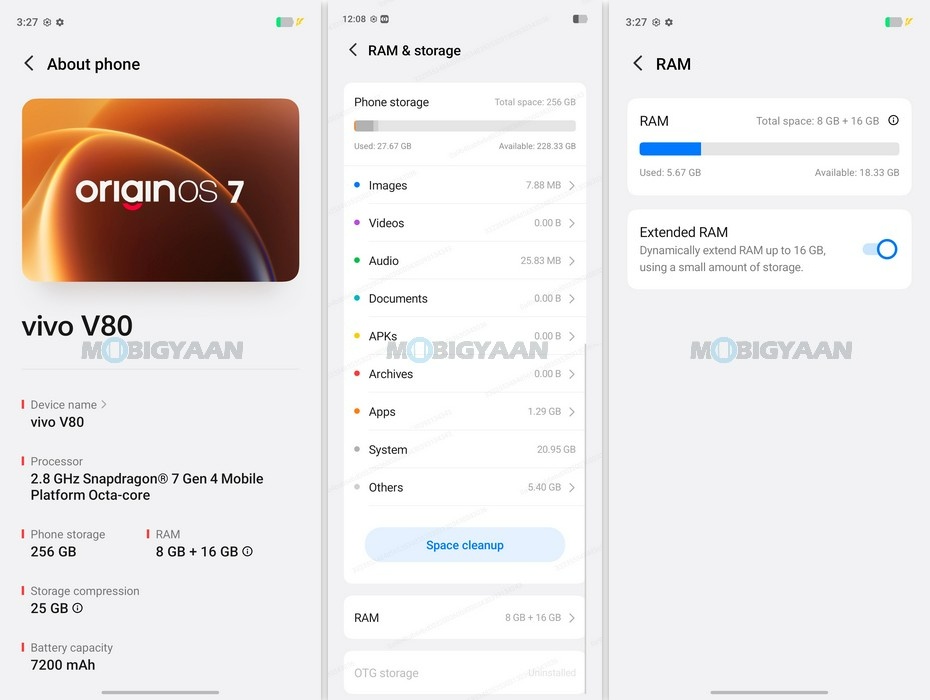
In everyday usage, the vivo V80 has enough hardware to comfortably handle browsing, social media, streaming, photography, video calls, navigation, multitasking, and other demanding applications. The combination of 8 GB LPDDR4X RAM and UFS 3.1 storage also keeps application launches and general system responsiveness smooth. The V80 also supports up to 16 GB Extended RAM, which uses a portion of the internal storage to keep additional applications available in memory.
One limitation that stands out at this price point is the 8 GB RAM ceiling. At a starting price of ₹62,999, the V80 is currently limited to 8 GB of physical RAM, with no 12 GB or 16 GB RAM variant available in the lineup. While the 16 GB Extended RAM feature can supplement the physical memory by using internal storage, it is not a replacement for having 12 GB or 16 GB of actual RAM. So, until vivo introduces a higher-RAM variant, you are essentially stuck with 8 GB of physical RAM on the V80, which feels somewhat restrictive for a smartphone in this price segment.
Note that the V80 uses LPDDR4X RAM rather than the newer LPDDR5 standard, so while everyday performance should remain smooth, LPDDR5 can offer higher memory bandwidth and better efficiency, which can be beneficial for demanding multitasking and gaming. At this price segment, LPDDR5 would have been a more appropriate choice for a more future-ready performance package.
Gaming Performance & Thermals
The Snapdragon 7 Gen 4 with Adreno 722 GPU gives it a capable hardware platform for mobile gaming. The 144 Hz AMOLED display further complements the chipset by providing smooth animations and responsive gameplay in titles that support higher frame rates.
Gaming highlights include:
- Qualcomm Snapdragon 7 Gen 4 SoC
- Adreno 722 GPU
- 8 GB LPDDR4X RAM
- UFS 3.1 storage
- 144 Hz OLED
- Stereo speakers
- 7,200 mAh battery
- 90W FlashCharge
The large 7,200 mAh battery should be particularly useful for gaming, as it provides plenty of capacity for extended sessions without requiring frequent charging. The stereo speakers also add to the gaming experience by providing better channel separation and more immersive audio.
The stereo speakers also add to the gaming experience, especially in titles where directional audio matters. Footsteps, gunfire, and other in-game sounds are easier to distinguish compared with a typical single-speaker setup. For demanding games, the Snapdragon 7 Gen 4 should be capable of delivering good frame rates at high graphics settings. Expect titles such as BGMI, Call of Duty: Mobile, Free Fire MAX, and other popular games at high settings. Higher frame-rate modes will be available in supported games.
The Snapdragon 7 Gen 4’s 4nm process should help balance performance and efficiency, while the V80’s 7.69 mm body provides a relatively compact chassis for the hardware. Longer workloads such as gaming, video recording, and video processing fairly maintain sustained performance. The V80 remains comfortable during normal workloads and moderate gaming, while extended CPU- and GPU-intensive workloads are expected to generate some warmth, which is quite normal; the vivo V80 handles thermal management and heat emissions efficiently.
Cameras
The vivo V80 is one of the most camera-focused smartphones in its segment, with a ZEISS co-engineered triple rear camera setup and a high-resolution 50 MP ZEISS Group Selfie camera on the front. vivo has focused on useful focal lengths, including a dedicated telephoto camera, along with ZEISS portrait modes, 4K video recording, cinematic video styles, and a wide range of creative shooting options.
Camera Hardware Overview
- Main Camera: 50 MP ZEISS OIS camera, Sony LYTIA 700V sensor, f/1.88 aperture
- Telephoto Camera: 50 MP ZEISS Night Telephoto camera, Sony IMX882 sensor, OIS, f/2.65 aperture, 3x optical zoom, up to 100x zoom
- Ultra-Wide Camera: 8 MP ZEISS ultra-wide-angle camera, f/2.2 aperture
- Front Camera: 50 MP ZEISS Group Selfie camera, autofocus, f/2.0 aperture, 92° wide-angle lens
The 50 MP Sony LYTIA 700V main camera handles the majority of everyday photography. The sensor is paired with OIS and an f/1.88 aperture, giving the camera a strong foundation for both daylight and low-light photography. In good lighting, the camera produces detailed images with good color reproduction and plenty of information in the frame, while the stabilization helps when shooting handheld.
The main camera is also where the V80 feels particularly refined in terms of processing. Colors have a punchy look without making every scene excessively saturated, while HDR processing helps retain details in brighter and darker portions of the frame.
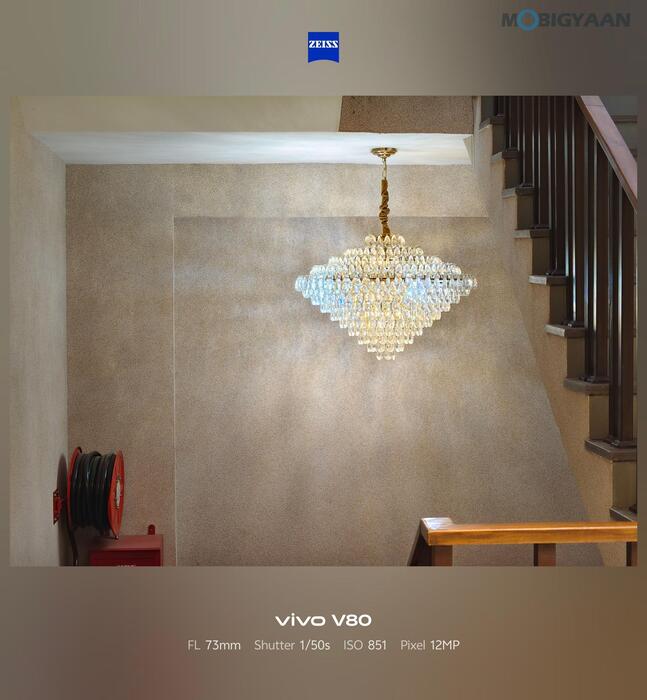
The biggest addition, however, is the 50 MP ZEISS Night Telephoto camera. It uses the Sony IMX882 sensor, supports OIS, and provides 3x optical zoom. Having a dedicated high-resolution telephoto camera is a major advantage over phones that rely entirely on digital cropping from the main sensor.
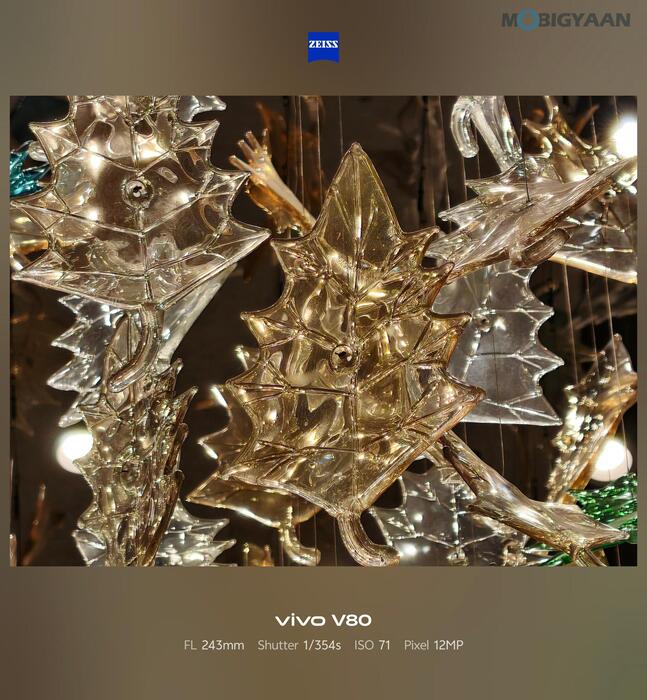
At 3x, the telephoto camera produces a noticeably different perspective from the main camera and is particularly useful for portraits and distant subjects. The OIS also helps keep the frame steady when shooting at longer focal lengths. vivo additionally offers up to 100x zoom, although the image quality naturally changes as you move beyond the camera’s native optical range.
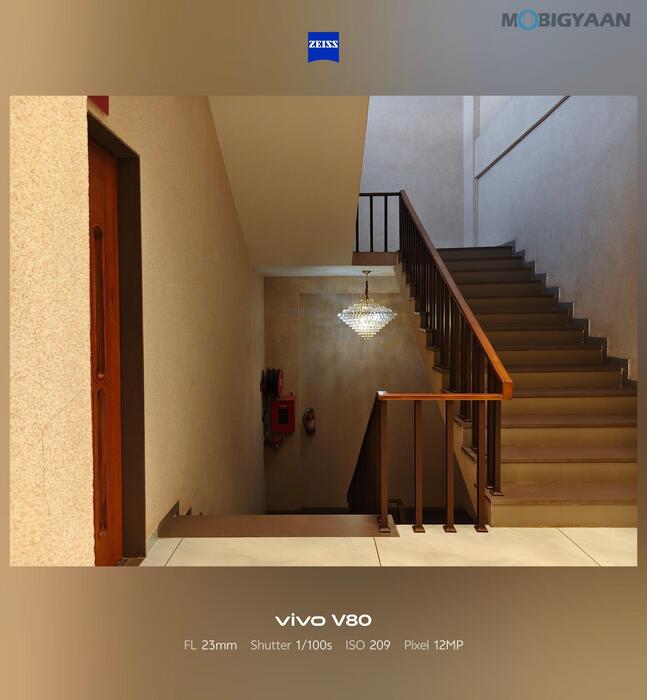
The 8 MP ZEISS ultra-wide camera completes the rear setup. It is useful for landscapes, architecture, group shots, and situations where you need to fit considerably more into the frame. The lower resolution means it doesn’t offer the same level of detail as the two 50 MP cameras, but having a dedicated ultra-wide camera makes the V80 considerably more versatile.
Daylight Photography
The main camera is at its best in good lighting. Images have plenty of detail, and the large amount of information captured by the 50 MP sensor gives the image processor enough data to produce sharp-looking photographs. Dynamic range is also handled well. HDR processing does a good job of retaining information in bright skies while keeping shadows from becoming completely crushed. This becomes particularly useful when photographing scenes containing a mixture of bright sunlight and darker areas.
Colors have the characteristic vivo processing that makes photographs immediately shareable. There is enough saturation to make landscapes and colorful subjects look appealing, while skin tones remain comparatively natural. The camera also focuses quickly, making it easy to capture moving subjects or spontaneous moments without spending too much time waiting for the focus to lock.
Telephoto & Portrait Photography
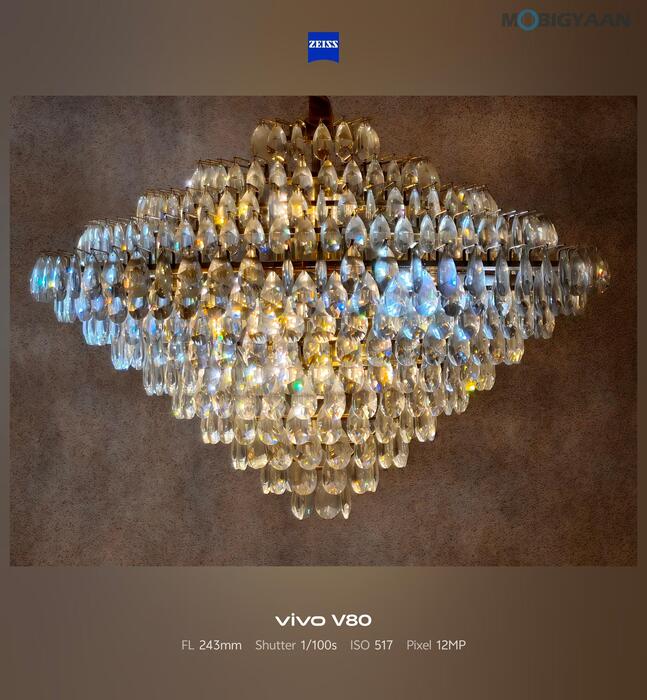
The 50 MP ZEISS Night Telephoto camera is arguably the most interesting camera on the V80. The dedicated 3x optical zoom provides a useful focal length for portraits, street photography, architecture, and distant subjects. Portrait photography benefits particularly from this setup. The longer focal length produces a more natural perspective than shooting close-up portraits with the main camera, while the dedicated telephoto sensor helps retain facial detail.
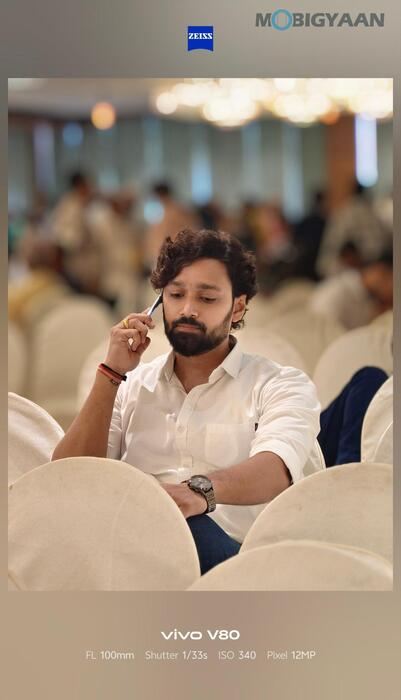
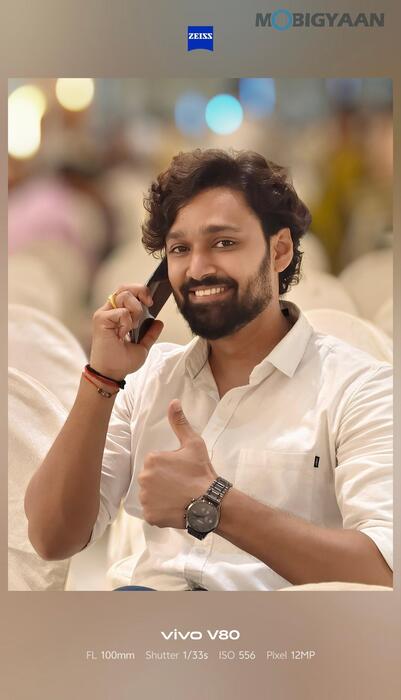
vivo also offers ZEISS 85 mm Portrait and ZEISS 100 mm Center-Stage Portrait modes. The 85 mm perspective is suited to conventional portrait framing, while the 100 mm mode brings the subject closer and emphasizes the cinematic look with ZEISS-style bokeh. The V80’s portrait processing does a good job of separating the subject from the background while retaining facial and hair details. The background blur is also more convincing when using the telephoto perspective rather than simply applying an aggressive software blur.
Night Photography & Ultra-Wide Cameras
The dedicated telephoto camera is also marketed specifically as a ZEISS Night Telephoto camera, making low-light zoom photography one of the V80’s key camera features. The main camera’s OIS helps during night photography by allowing the camera to use longer exposures while reducing the effect of hand movement. This helps preserve details and brightness without making every night photograph excessively noisy.
The telephoto camera’s OIS is equally useful because camera shake becomes more noticeable as magnification increases. At 3x, the V80 can capture night subjects from a distance while maintaining a more natural perspective than digitally cropping the main camera.
The 8 MP ZEISS ultra-wide camera is useful when the standard main-camera perspective isn’t wide enough. It works particularly well for landscapes, large buildings, group photographs, and indoor scenes where stepping backward isn’t practical. The lower resolution is noticeable when you compare the ultra-wide images directly with the 50 MP main and telephoto cameras, but the camera still provides a useful additional perspective rather than feeling like a camera included purely for specifications.
Selfie Camera
On the front, the V80 gets a 50 MP ZEISS Group Selfie camera with autofocus. The camera has a 92° wide-angle lens, although vivo specifies that the effective captured field of view becomes 90° after distortion correction. The wider perspective is particularly useful for group selfies because you can fit more people into the frame without having to hold the phone unusually far away.
Autofocus is another advantage. It allows the camera to maintain focus more effectively when the distance between the subject and phone changes, which is useful not only for selfies but also for social-media videos and other front-camera content. The high-resolution sensor also provides plenty of detail in good lighting, while vivo’s image processing keeps the overall output optimized for social-media sharing.
4K Cinematic Video
Video recording is another major strength of the V80. The phone supports 4K 60 fps video recording, along with 4K Cinematic Video features designed specifically for creators.
The Cinematic Video mode offers three different movie-style looks:
- Vibrant: Stronger contrast and higher saturation for dramatic scenes, celebrations, and night environments
- Modern Movie: More natural color tuning for everyday videos, travel, and portraits
- Pastel: Softer, lower-saturation tones with subtle gray undertones for a more subdued cinematic appearance
The V80 also supports cinematic LUT and visual enhancement effects, allowing users to give their footage a more stylized appearance directly while recording.
ZEISS 100 mm Center-Stage Portrait | AI Creative Camera & Editing Features
The ZEISS 100 mm Center-Stage Portrait mode is designed around longer portrait framing. Along with the 85 mm portrait option, it gives you more control over how close or distant the subject appears in the frame. The longer perspective is especially useful when you want a portrait with stronger background compression and a more cinematic appearance. It also works well when you don’t want the phone physically close to the subject.
vivo has also added several AI-powered creative features to the camera experience. The AI Creative Camera offers more than 30 effects, giving you additional ways to customize photographs without relying on third-party editing applications.
Live Sticker Collage adds dynamic stickers and creative elements to images, while AI Diwali Portrait 2.0 is designed specifically around festive portrait creation. The V80 also includes Pet Pals, which provides preset pet-themed effects and additional AI customization. vivo says more customization options will be added over time, although availability can vary by device and region.
You also get some useful additions with the phone’s broader collection of shooting modes, which includes AI Creation, Night, Portrait, Photo, Video, High Resolution, Panorama, Ultra HD Document, Slo-mo, Time-lapse, Supermoon, Stage, Astro, Pro, Snapshot, Food, Underwater Photography, and Film Camera.
This makes the camera application considerably more versatile than a basic point-and-shoot interface. You can switch between conventional photography, long-exposure-style shooting, astrophotography, documents, underwater photography, and more specialized modes directly from the camera application.
Overall, the vivo V80’s camera system feels considerably more purposeful than a typical triple-camera setup. The 50 MP Sony LYTIA 700V main camera handles everyday photography, while the 50 MP Sony IMX882 telephoto camera with OIS and 3x optical zoom adds a genuinely useful second focal length. The 8 MP ultra-wide then covers the wider perspective, while the 50 MP autofocus ZEISS Group Selfie camera makes the front camera suitable for both group selfies and content creation.
The biggest strengths are the dedicated telephoto camera, ZEISS portrait modes, strong video capabilities, and the sheer number of creative options available. 4K 60 fps recording and 4K Cinematic Video also make the V80 particularly interesting for creators who want to shoot, process, and share content directly from the phone.
The camera system is therefore not just about the headline 50 MP numbers. The combination of useful focal lengths, OIS on the main and telephoto cameras, ZEISS tuning, portrait modes, cinematic video features, and AI-powered creative tools makes the V80 a well-rounded camera phone.
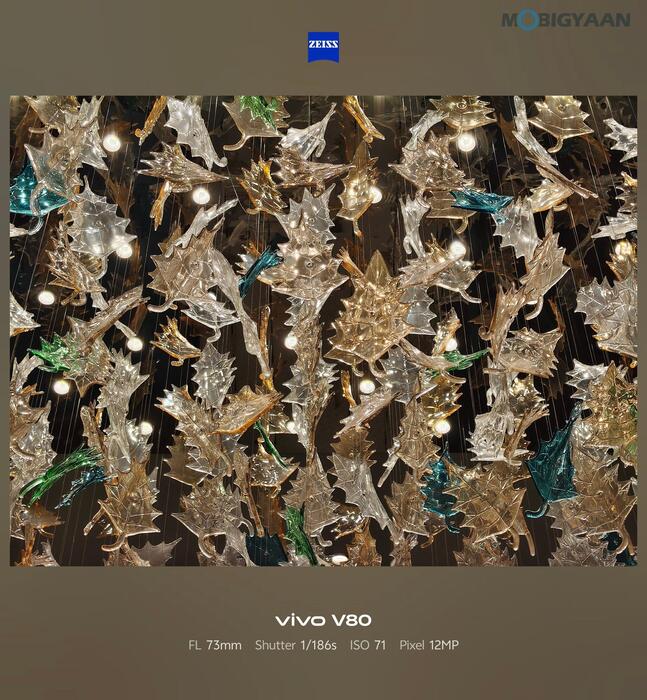
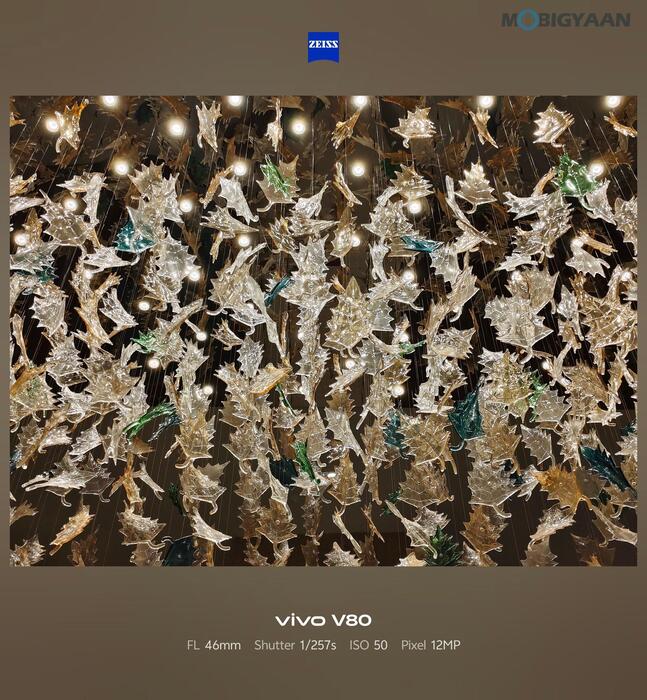
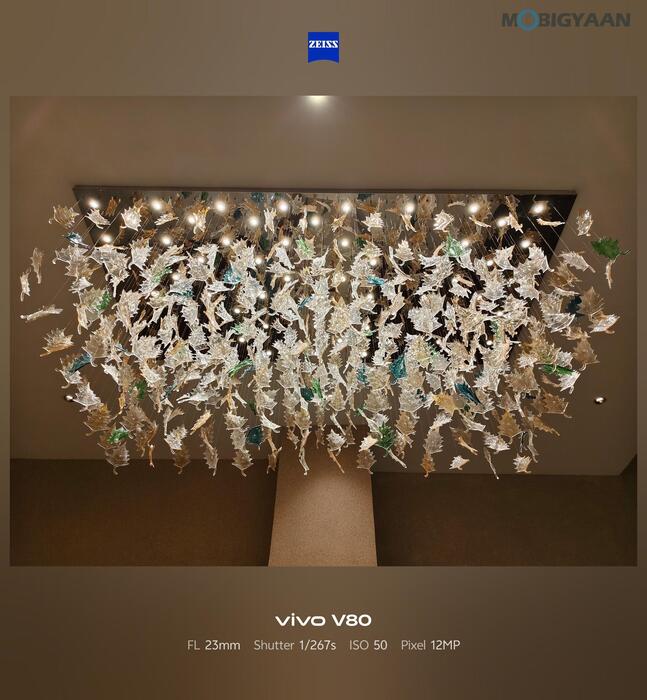
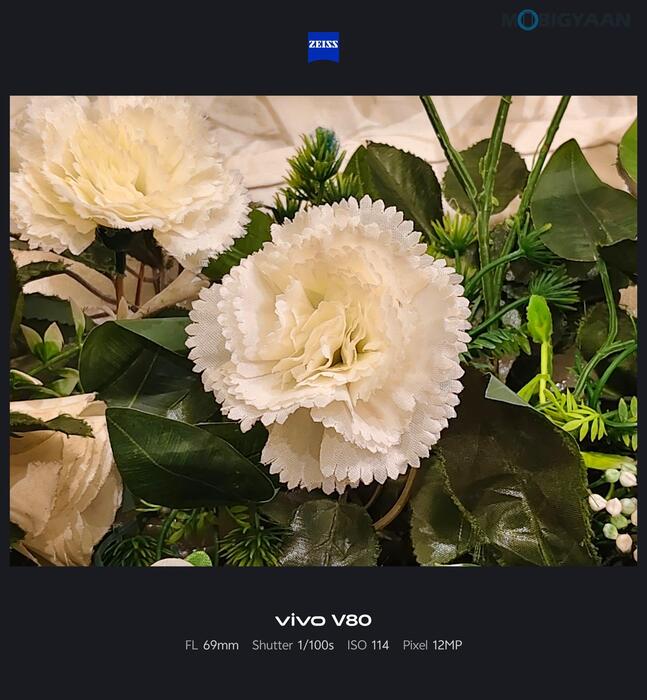
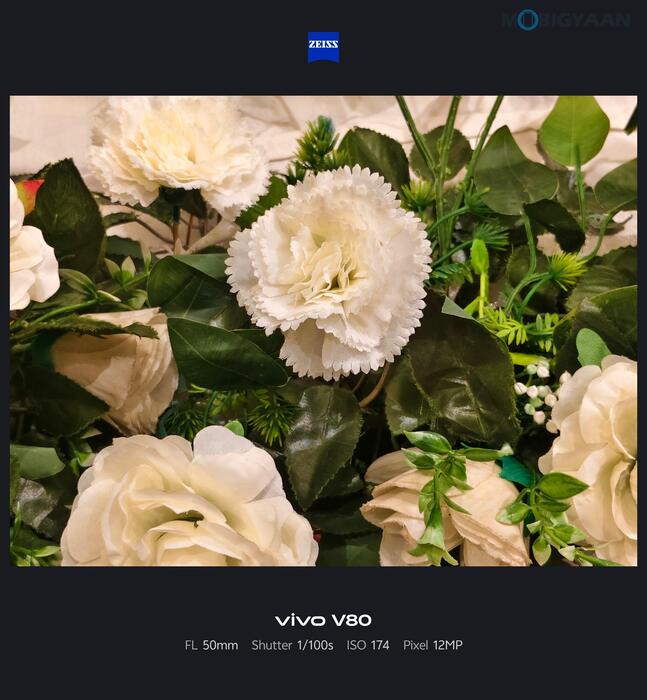
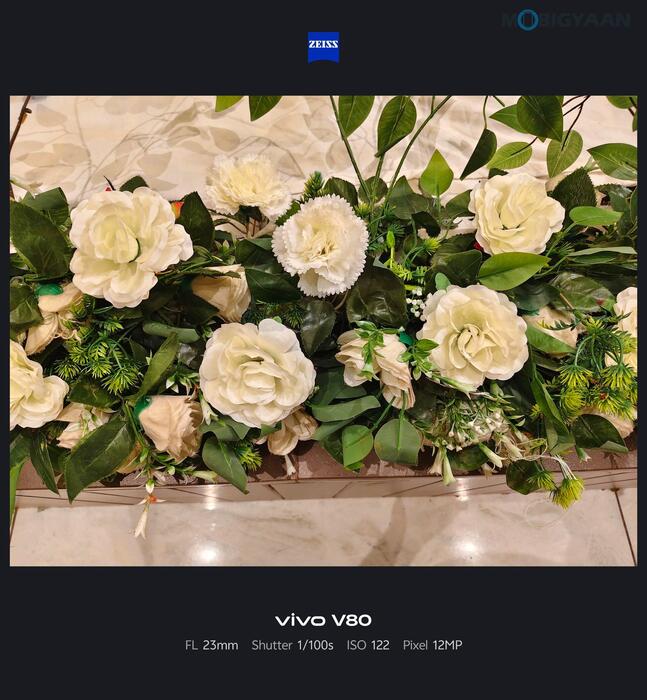
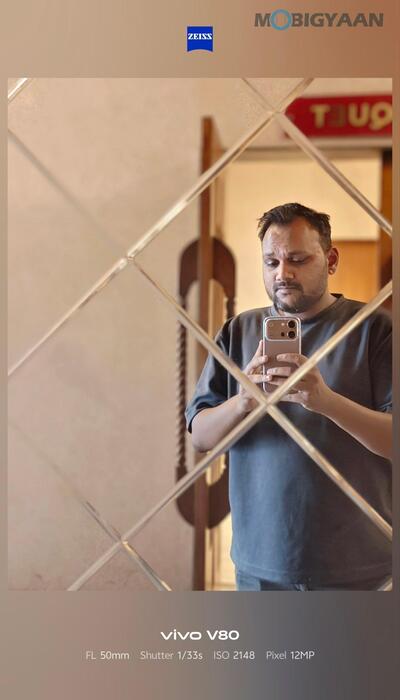
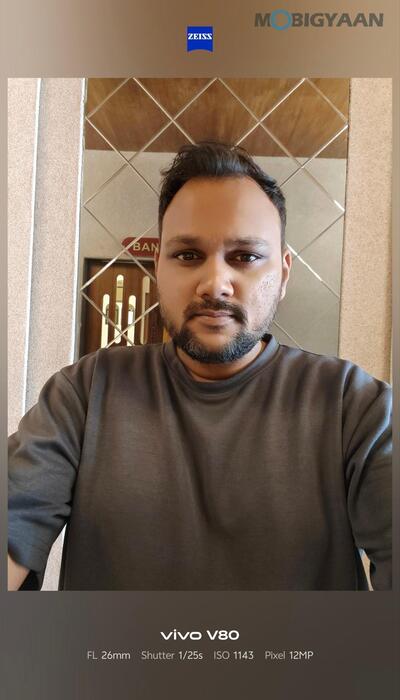
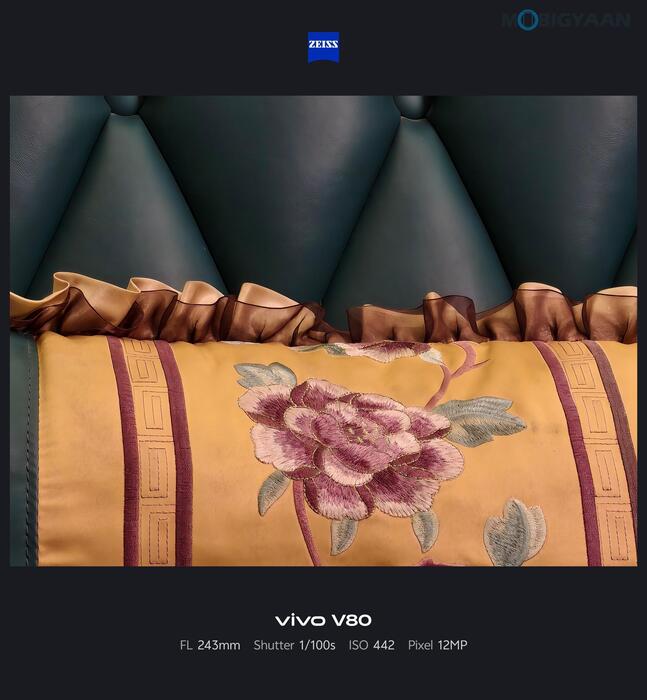
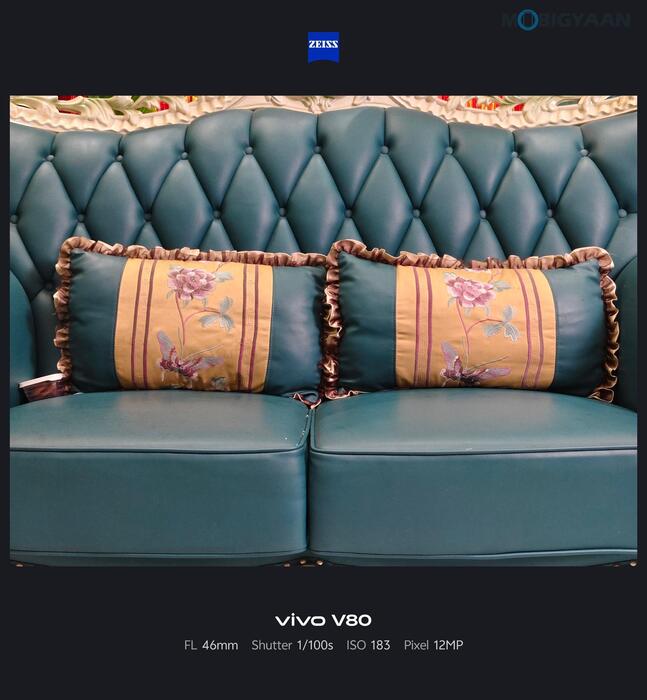
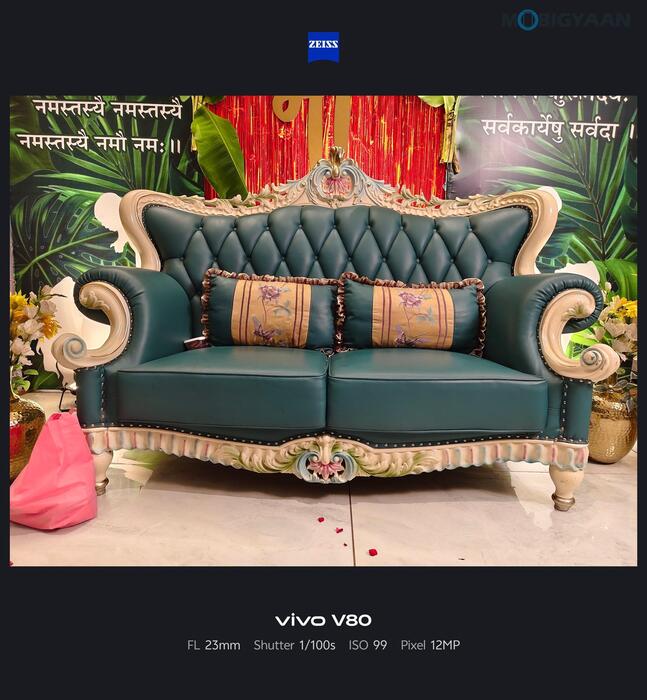
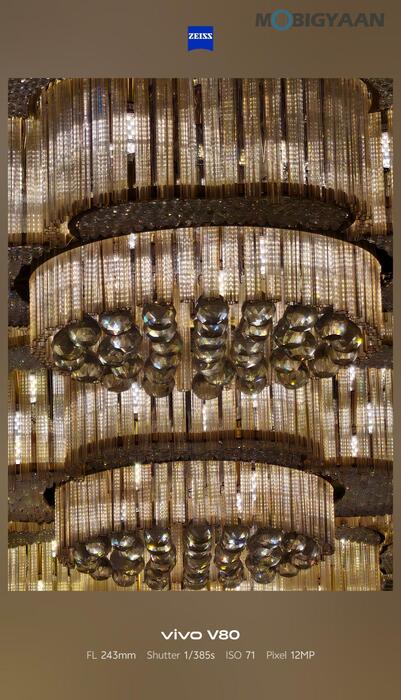
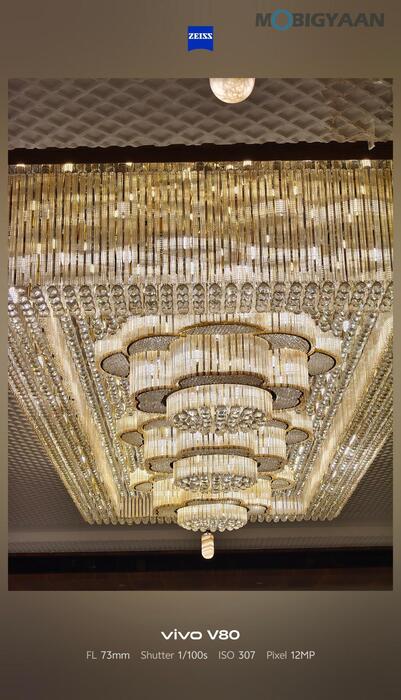
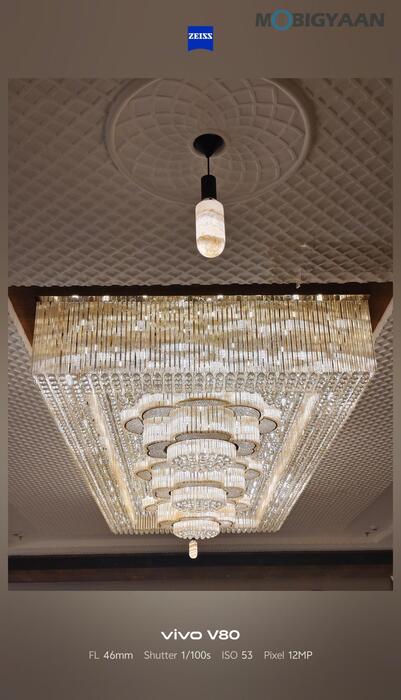
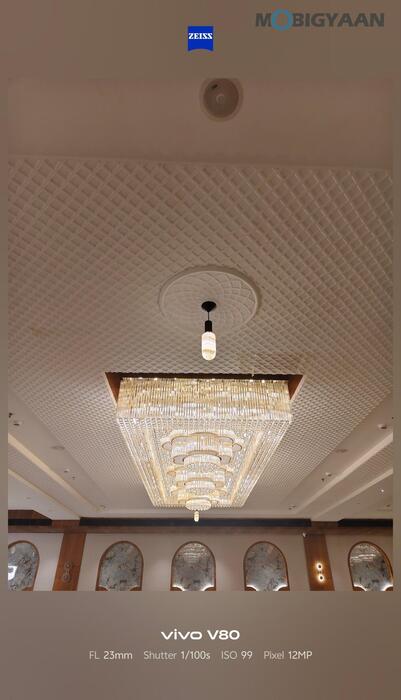
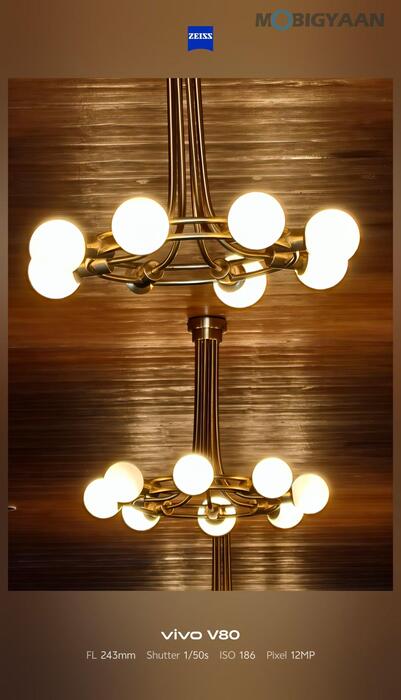
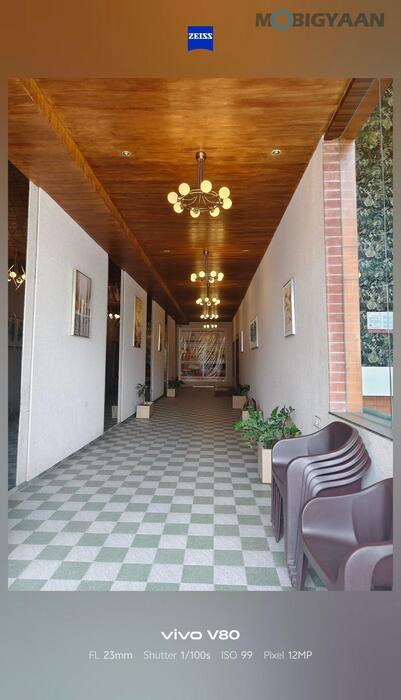
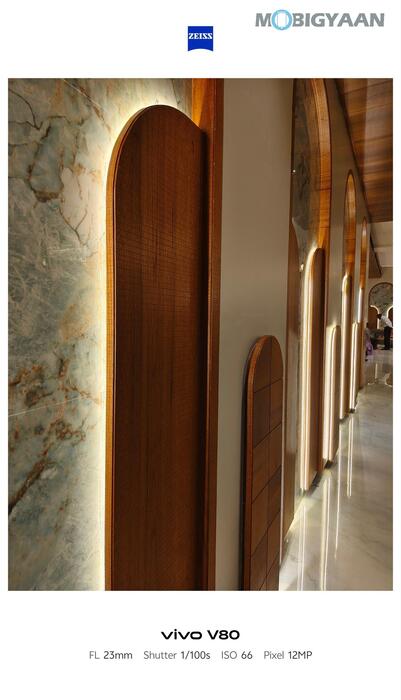
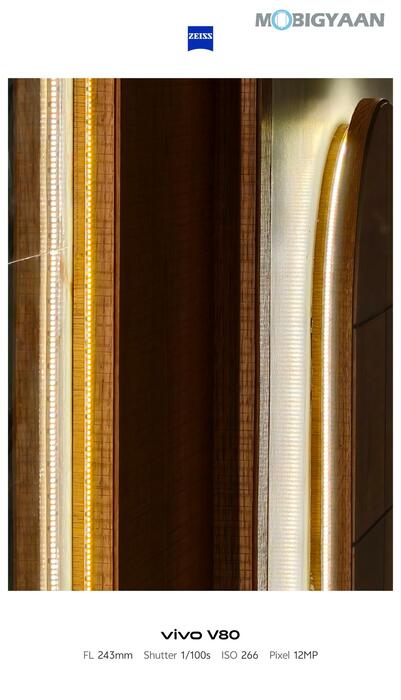
Here are some camera shots I took to show you its image quality, ZEISS portraits, and 3x/10x zoomed clarity.
vivo V80 Camera: Sample Shots
Battery Runtime & Charging
Battery life is another major highlight of the vivo V80, thanks to its 7,200 mAh battery, which vivo describes as the largest battery ever used in a V-Series smartphone. Despite carrying such a large battery, the V80 maintains a relatively slim 7.69 mm profile and weighs 203 grams, so the large battery does not translate into an excessively bulky design. This is a significant capacity for a smartphone in this segment and gives the V80 plenty of endurance for heavy daily usage involving social media, streaming, photography, navigation, calls, and gaming.
In my regular usage, the large battery provides the V80 with the kind of endurance you would expect from a 7,200 mAh phone. The combination of the large battery and the 4nm Snapdragon 7 Gen 4 also helps the phone remain efficient during everyday usage, allowing you to go through a full day of heavy use without constantly worrying about the battery percentage.
For lighter or moderate usage, the V80 has enough capacity to comfortably stretch beyond a single day, up to 2 days if your usage is somewhat average. You may even extend it to a third day if your usage is pretty much basic. Heavy users should comfortably get through a full day, while moderate users should be able to extend usage well into the second day. This is particularly useful for users who spend a lot of time watching videos, using the camera, navigating with GPS, or gaming, where smaller batteries can require a top-up much earlier in the day.
Charging is handled by 90W FlashCharge, which is able to charge the battery from 0% to 50% in around 30 minutes, while you can expect the smartphone to charge to 100% in approximately an hour using the 90W adapter provided in fast-charging mode. The 90W FlashCharge system is fast enough for this segment and should be able to compete with rivals with 67W/80W. vivo also includes the charger in the box, allowing you to take advantage of the phone’s maximum charging capability without purchasing a separate high-wattage charger.
Verdict: vivo V80 Review
The vivo V80 is a strong upper-midrange smartphone that focuses on the areas that matter most for a premium everyday experience: cameras, display, battery life, design, and software support. After spending time with the phone, it is clear that vivo has tried to make the V80 more than just a camera upgrade, with meaningful improvements across the overall package.
The ZEISS camera system is arguably the biggest reason to consider the V80. The 50 MP Sony LYTIA 700V main camera with OIS, 50 MP ZEISS Night Telephoto camera with OIS and 3x optical zoom, and 50 MP ZEISS autofocus selfie camera give the phone a versatile setup for photography. The dedicated telephoto camera is particularly useful for portraits and zoom photography, while features such as 85 mm and 100 mm Center-Stage Portrait, ZEISS bokeh, 4K 60 fps video, and the three cinematic video styles make the V80 a capable device for mobile content creation.
The 6.59-inch 1.5K OLED display with a 144 Hz refresh rate is another major strength. It delivers a smooth experience for scrolling, gaming, and general navigation, while the 5,000-nit peak brightness makes the display well equipped for outdoor use. The slim 7.69 mm body, glass construction, and IP68 and IP69 ratings also give the V80 a more premium feel than you might expect from an upper-midrange device. Battery life is another area where the V80 stands out. The 7,200 mAh battery provides excellent endurance, while 90W FlashCharge gives you about 50% charge in 30 minutes.
The software package is also one of the V80’s strongest points. Being the first V-Series smartphone to ship with OriginOS 7 based on Android 17 gives it a fresh software foundation, while features such as Origin Smooth Engine, Snap Note, vivo Office Kit, Pet Pals, StickIt, Wiggle Theme, AI Creative Camera, AI Retouch, and Security Shield add useful functionality beyond the standard Android experience. The promise of up to 6 years of security updates further improves the phone’s long-term value.
Performance from the Snapdragon 7 Gen 4 SoC is fast enough for your daily use and camera usage, while it’s still moderate for high-end gaming requirements in this price segment if you demand flagship-grade performance. But it can be a relatively minor trade-off compared with what the V80 brings to the table. It is well suited to the phone’s positioning, handling everyday apps, multitasking, photography, media consumption, and mainstream gaming without making the V80 feel like it compromises on performance to prioritize its camera system.
The phone successfully combines a large battery, fast charging, premium design, high-quality display, versatile ZEISS camera system, capable performance, and a new-generation software experience into one package. If your priority is photography, portraits, video creation, display quality, battery life, and long-term software support, the vivo V80 is an easy phone to recommend. It is particularly well suited to users who want a premium all-rounder without moving into the true flagship price category. For its target audience, the V80 delivers a well-rounded experience and represents one of the more complete V-Series packages vivo has offered.
vivo V80 – Where To Buy
The vivo V80 is priced at ₹62,999 for the 8 GB RAM + 128 GB Storage variant. The 8 GB + 256 GB model is priced at ₹69,999, while the top-end 8 GB + 512 GB variant costs ₹79,999. Pre-orders begin today, i.e., 6th October 2026, with general sales starting from 13th October 2026 on vivo’s official online store, Amazon.in, Flipkart.com, and authorized mainline retail stores.
The launch offers are as follows:
- Mainline Offers: Easy EMI starting at ₹2,625/month, pay ₹101 to own a vivo smartphone, flat 10% instant cashback through selected banks/UPI, or up to 10% V-Upgrade exchange bonus
- Additional Mainline Offers: Up to 40% off on V-Shield, with screen damage protection and extended warranty plans starting at ₹1,134, plus Google One 1,000 GB cloud storage for 6 months
- Online Offers: Easy EMI starting at ₹2,625/month, 10% instant discount on selected banks, 10% exchange bonus, 1-year free extended warranty, and Google One 100 GB cloud storage for 6 months
- JioHotstar Offer: Buyers will also be eligible for 50% off on selected annual JioHotstar plans, including the Mobile Plan at ₹249.50 and Super Plan at ₹549.50, subject to applicable offer terms.
vivo V80 Price In India, Availability, & Offers
- Price: ₹62,999 (8 GB RAM + 128 GB Storage), ₹69,999 (8 GB RAM + 256 GB Storage), ₹79,999 (8 GB RAM + 512 GB Storage)
- Availability: 6th October 2026 (pre-order), 13th October 2026 (sale) on vivo.com/in, Amazon.in, Flipkart.com, and authorized offline retail stores
- Offers: [Mainline Offers]: Easy EMI starting at ₹2,625/month, pay ₹101 to own a vivo smartphone, flat 10% instant cashback through selected banks/UPI, or up to 10% V-Upgrade exchange bonus; [Additional Mainline Offers]; Up to 40% off on V-Shield, with screen damage protection and extended warranty plans starting at ₹1,134, plus Google One 1,000 GB cloud storage for 6 months; [Online Offers]: Easy EMI starting at ₹2,625/month, 10% instant discount on selected banks, 10% exchange bonus, 1-year free extended warranty, and Google One 100 GB cloud storage for 6 months; [JioHotstar Offer]: Buyers will also be eligible for 50% off on selected annual JioHotstar plans, including the Mobile Plan at ₹249.50 and Super Plan at ₹549.50, subject to applicable offer terms.

