
Add MobiGyaan as a preferred source on GoogleYouTube has announced a major update to its auto dubbing system, introducing expanded language support, more natural-sounding translated audio, new viewer controls, and improved creator-side tools. The update is aimed at making multilingual videos more accessible while preserving the creator’s original tone and intent.
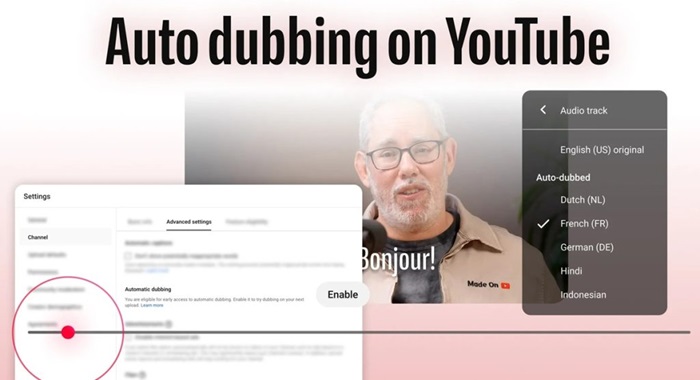
According to Chandralekha Motati, Product Manager at YouTube, the platform is seeing strong adoption of auto-dubbed content. In December alone, over 6 million viewers watched at least 10 minutes of auto-dubbed videos daily on average, highlighting growing demand for cross-language content.
What’s New in YouTube Auto Dubbing
27 Languages Now Supported
Auto dubbing has now expanded to 27 languages, making it available more broadly across YouTube. This allows creators to reach global audiences without manually producing multiple language versions of the same video.
Expressive Speech for More Natural Dubs
YouTube has introduced Expressive Speech, a feature designed to preserve the tone, emotion, and delivery style of the original speaker during translation. Instead of flat, robotic audio, dubbed voices are intended to sound closer to how the creator naturally speaks.
Currently, Expressive Speech is supported in eight languages:
- English
- French
- German
- Hindi
- Indonesian
- Italian
- Portuguese
- Spanish
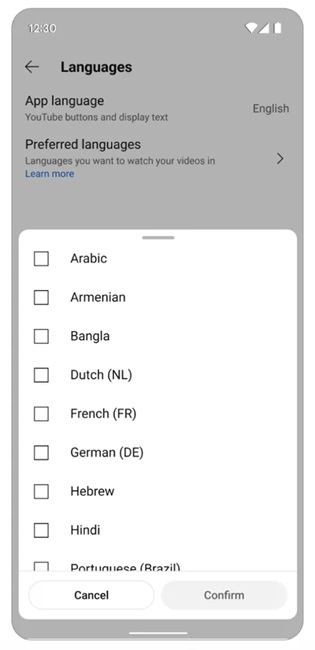
New Viewer Language Controls
YouTube is giving viewers more control over how dubbed content plays:
- A new Preferred Language setting allows users to manually choose their playback language.
- Viewers can also switch back to the original audio when it’s available.
- This works alongside YouTube’s existing system, which automatically selects a language based on watch history.
Lip Sync Pilot for Visual Alignment
YouTube is testing a Lip Sync pilot, which adjusts a speaker’s lip movements to better match the translated audio. The goal is to improve visual consistency and make dubbed videos feel more natural to watch. This feature is currently in limited testing.
Improved Creator Controls and Smart Filtering
Several updates focus on creators and how auto dubbing is applied to their content:
- Automatic Smart Filtering: Detects videos that may not be suitable for dubbing, such as music-heavy or silent content, helping avoid mismatched audio.
- Discovery Behavior: YouTube says auto dubbing does not negatively impact original video discovery and may help extend reach to new language audiences.
- Manual Control: Creators can upload their own dubbed audio tracks or disable auto dubbing entirely if preferred.
Availability
- Auto dubbing: Available to creators with support for 27 languages
- Expressive Speech: Supported in 8 languages (listed above)
- Preferred Language control: Available to multilingual viewers
- Lip Sync: Currently in a limited pilot phase

