
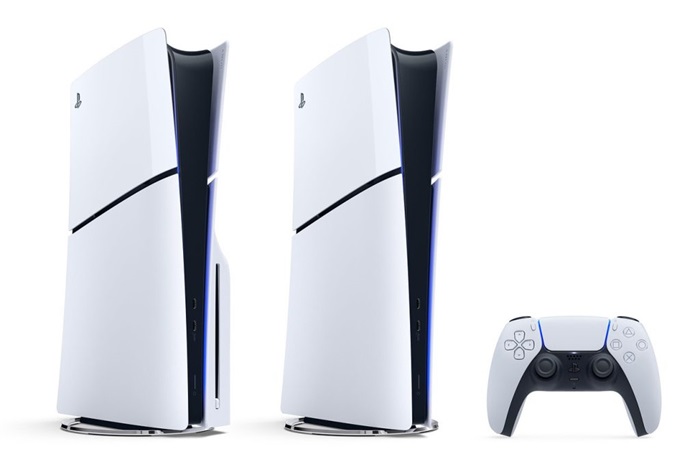
Add MobiGyaan as a preferred source on GoogleSony may push back the launch of its next-generation gaming console – widely expected to be the PlayStation 6 (PS6) – to 2028 or even 2029, according to a recent Bloomberg report. The potential delay is attributed to a worsening global memory chip shortage, which has sharply driven up costs and disrupted supply planning across the tech industry.
The report notes that the price of a key DRAM category surged by about 75% between December and January, underscoring the severity of the crunch. For Sony, delaying its flagship console reflects the broader turmoil in the memory market and the difficulty of securing components at sustainable prices.
The memory crisis isn’t limited to gaming. Bloomberg sources indicate that Nintendo – Sony’s key rival – is also weighing price increases for its hardware in 2026, signaling pressure across the console ecosystem. Smartphone makers are feeling the impact as well. Citing data from Chinese outlet Jiemian, manufacturers such as Xiaomi, OPPO, and Shenzhen Transsion Holdings (parent to TECNO, Infinix, and Itel) are reportedly cutting shipment targets for 2026. OPPO alone is said to be trimming forecasts by up to 20%.
Low-end smartphones are expected to be hit hardest. DRAM could soon account for up to 30% of the bill of materials for budget devices – up from 10% in early 2025 – putting pressure on margins for manufacturers with limited pricing power.
Why Memory Is Scarce: Shift to AI
Industry analysts point to a strategic pivot by major memory suppliers – Samsung, Micron, and SK Hynix – toward HBM (High Bandwidth Memory) for AI accelerators. According to TrendForce, HBM demand is expected to grow 70% year-over-year in 2026, diverting capacity away from conventional DRAM used in consumer electronics.
This reallocation is creating one of the largest supply-chain disruptions in recent years, with ripple effects across electronics, telecom, and automotive sectors.
At the same time, hyperscalers are ramping up investment. Alphabet and Amazon have announced capital expenditure plans of roughly $185 billion and $200 billion, respectively, this year – among the largest in corporate history – further intensifying competition for advanced memory.
What It Means for PS6
If Sony does delay the PS6 to 2028 – 2029, it would mark a longer-than-usual gap between console generations, likely aimed at stabilizing costs, ensuring supply, and protecting launch pricing. While Sony has not officially confirmed timelines, the report suggests that memory availability and pricing could be decisive factors.

